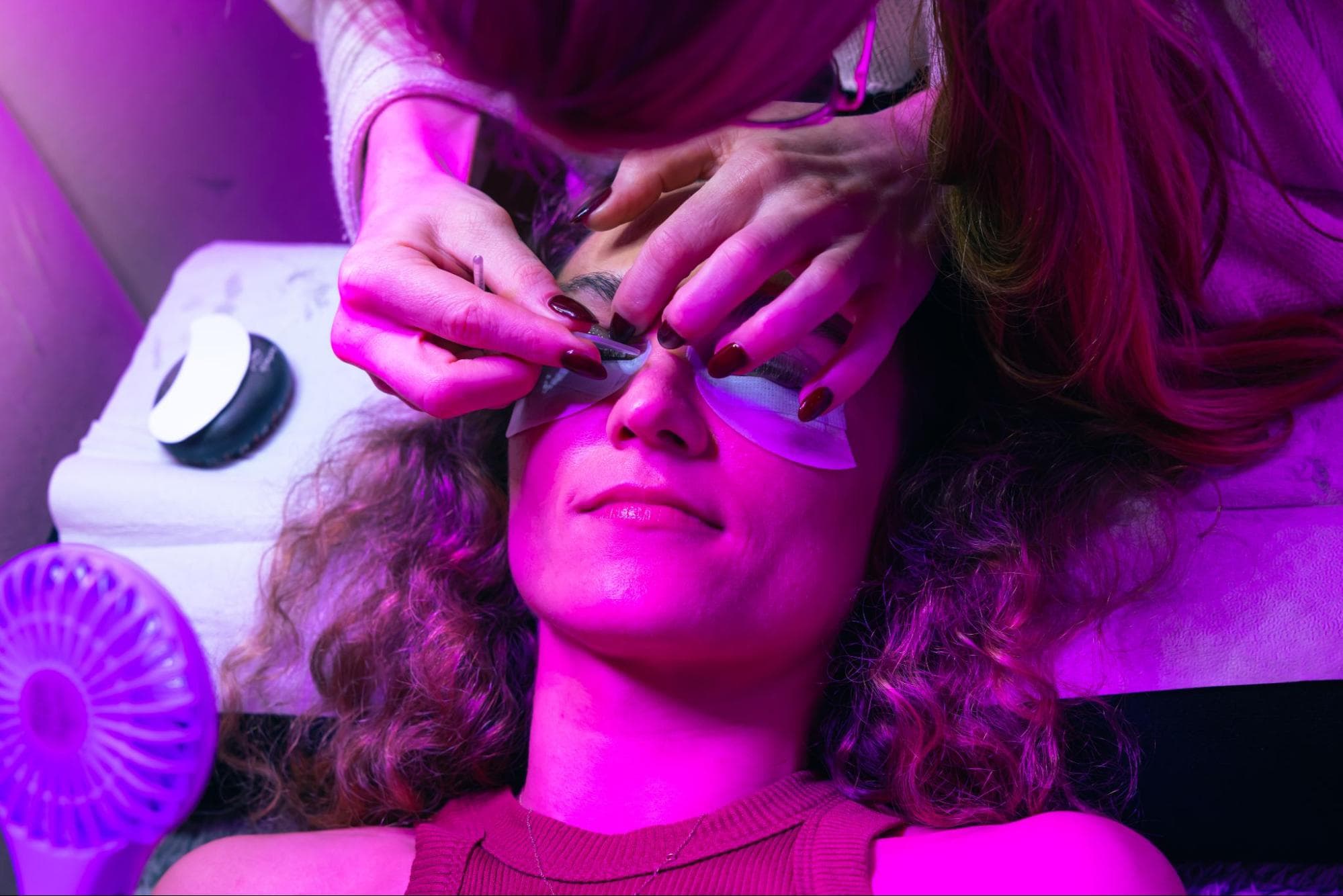
Eyelash extensions have skyrocketed in popularity over the past few years. As the desire for long, voluminous lashes grows, so does the demand for skilled and reputable lash techs. If you're wondering how to become a lash tech, the process typically involves completing training, meeting state licensing requirements, and building hands-on experience."
Lash services require a high level of trust and strict safety precautions. After all, you’re getting up close and personal with clients to work directly with the sensitive eye area. So if you want to become a successful lash artist, you’ll need to pursue lash tech certification. Taking the proper training and licensing steps protects clients’ health and safety while boosting your revenue potential.
In this guide, you’ll learn the basics about how to become a lash tech. We’ll discuss why certification matters, then outline a step-by-step process so you can get your career started.
Why Certification Is a Must for Lash Technicians
State requirements vary, so depending on where you live, you may need a cosmetology or esthetician license to offer lash extension services. But even in states where licensing isn’t required, there are still many reasons to get certified. Certification helps aspiring lash technicians build credibility while preparing for state licensing requirements where applicable.
Prove You’ve Completed Training
Having an eyelash extension certification is the best way to show clients you know what you’re doing. You didn’t just learn some tips from social media or through trial and error. Instead, you’re formally educated in lash theory, which covers application techniques, eye anatomy, the lash growth cycle, and styling methods.
Becoming certified also means you need to pass a lash extension skills assessment. This proves that you’ve not only received instruction, but you actually know how to apply what you’ve learned in a practical setting.
Reinforce Your Commitment to Safety and Sanitation
Lash artist services require you to have extended, direct contact with clients’ eyes, often using tweezers and adhesives. When done incorrectly, these services can result in injuries, allergic reactions, or infections that put clients at risk and leave you liable.
Formal certification courses emphasize the importance of proper sanitation and safety protocols. That includes how to use client intake forms and consultations to assess individual needs, as well as important aftercare considerations. This training allows you to protect both clients and yourself.
Boost Trust, Demand, and Earning Potential
When people look for long-term lash services, they’re likely to choose a certified tech over a self-taught enthusiast. Certification can get clients in the chair. Once that happens, they'll see your specialized knowledge and expertise in action, making them more likely to return.
Getting clients in the door and maintaining a steady rotation of regulars is vital to increase long-term revenue. Plus, this can lead to valuable word-of-mouth that positions you for a long, profitable career as a lash artist.
Certified vs. Licensed Lash Techs
Lash tech certification is usually awarded by an accredited institute or school. In contrast, licensing must be obtained through a state cosmetology board, and it allows you to legally perform services. A lash tech license is issued by a state licensing board, while certification is typically awarded by an approved training provider.
Some states require both certification and licensing, while others don't mandate either. So review your state’s rules and regulations carefully to make sure your business is aboveboard.
How to Become a Lash Tech in 6 Steps
Becoming a successful lash technician requires both passion and formal education. If you're wondering how to become a lash tech, the process typically involves completing training, meeting state licensing requirements, and building hands-on experience. While requirements vary by state, these steps provide a general roadmap for becoming a certified lash tech.
1. Learn What Lash Artists Do
Before you enroll in a program, it’s important to take some time and learn about the day-to-day life of a lash tech. The job is both artistic and technical, which means you need to invest in soft and hard skills if you want to succeed.
The main parts of the job are lifting and tinting natural lashes and applying extensions. But lash techs also reach out to clients, conduct consultations, assess eye and lash health, and sanitize equipment. So along with technical knowledge, you’ll need a steady hand and strong interpersonal skills.
2. Check Your State’s Licensing Requirements
States have their own eyelash licensing requirements, and you need to know how to stay compliant in your place of business. For example, Maryland and Alabama don’t mandate certification at all, while Texas and Connecticut require a specialized lash tech license. Licensing requirements vary widely, making it important to verify whether your state requires a cosmetology, esthetics, or specialized lash technician license
As we mentioned earlier, lash artist certification is a good idea even if it’s not required by your state. Either way, be sure to stay informed about all other licensing rules, insurance requirements, and business laws that may impact your operations.
3. Find Training From a Certified Lash Educator
Choose a lash technician school that’s run by a certified instructor. Most lash tech certification programs take 2–3 days to complete. Good programs should offer in-depth training on safety and sanitation rules, lash and curl types, mapping and styling options, isolation techniques, and placement methods.
4. Build Your Lash Kit
While getting certified, start putting together the tools you’ll need to practice and then work effectively with clients. Investing in quality products and equipment costs more, but it’s much better than buying low-quality bulk kits.
Make up a lash tech equipment checklist that includes the following:
Tweezers
Lash trays in multiple lengths and curl types
Adhesives and cleansers
Removal tools
Eye pads and tape
Eyelash brushes
Gloves
5. Practice Your Skills and Create a Portfolio
Along with the training provided by your certification course, you can hone your skills using mannequins before moving on to friends and human models. This is your opportunity to practice application techniques, and build a professional portfolio of before-and-after photos to show clients.
6. Get Ready to Launch Your Business
When it’s time to start your lash business and take on clients, think about what you want your brand identity to look like. Are you offering low-cost services for busy parents, or high-end styles for professionals who need to look their best?
Word of mouth matters in the beauty industry, so choose a name that’s both memorable and reflects your brand. After that, you’ll want to develop a business plan that’s growth-focused, paying close attention to how you’ll handle marketing, pricing structures, and client outreach.
Kickstart Your Lash Career With a Client Experience That Scales
Becoming a lash tech can be the start of a lucrative and rewarding career. You get to help clients feel and look their best, while getting involved in a high-demand industry that’s both creative and technical. Of course, there are also a lot of things to keep track of when you run a lash business, from attracting clients to maintaining an efficient schedule. Successful lash technicians combine technical expertise with strong client relationships and business systems that support growth.
Boulevard is all-in-one salon management software that supports lash technicians in creating premium client experiences. Our platform helps you keep intake and aftercare forms organized, then offer personalized service through client profiles and notes. Plus, Boulevard is both easy to get started with and highly scalable, so you spend less time on repeat admin tasks and more time honing your craft and building relationships.
Start your lash tech career off right with Boulevard’s Salon Software.
FAQs
Do you need a lash tech license?
Some states require a lash tech license, cosmetology license, or esthetics license before offering lash extension services. Always verify your state's requirements.
How long does it take to become a lash tech?
Many lash certification programs can be completed in a few days, though licensing requirements and additional training may extend the timeline.
What qualifications do you need to be a lash tech?
Requirements vary by state, but most lash technicians complete certification training and may need a cosmetology, esthetics, or lash technician license.

Carrie McHone
Director of Operations & Tech Stack Optimization, Hunter Consulting
Carrie McHone brings over a decade of deep-rooted experience in the aesthetics industry, spanning clinical consulting, SaaS platforms, and commercial strategy. She began her career working in-clinic for both a high-volume plastic surgery and laser institute, as well as a leading cosmetic dermatology practice – giving her a true understanding of the day-to-day challenges aesthetic businesses face. She has experience in nearly every aspect of the aesthetic space—from launching consumer loyalty programs and leading field marketing initiatives, to building EMR and PMS systems into powerhouse tools for aesthetic providers. Carrie has held roles at top companies like Revance, Candela, Vagaro, and Jeisys, where she consistently drove cross-functional growth through partnerships, innovation, and operational excellence. At Hunter Consulting, Carrie leads with a strategic mindset and hands-on experience, ensuring every client receives scalable, data-informed solutions that elevate both their patient journey and business operations.
Related Posts

Massage Therapy Certification: Requirements and Pathways
Boulevard breaks down massage therapy certification requirements, license types, and training so practitioners can launch their careers with confidence.
Read Article
Lash Tech Equipment: The Essential Checklist Your Business Needs
Need the 411 on lash tech equipment? Here’s a complete list of everything you need to start your lash biz.
Read Article
How to Start Your Own Lash & Brow Business: The Ultimate Guide
Wondering how to start your own lash business or get your brow business off the ground? Start with this guide.
Read Article
Eyelash Extension State Requirements: What You Need to Know for Your Business
Learn the eyelash extension state requirements for all 50 states, plus practical guidelines on labor, insurance, and sanitation, by reading this guide.
Read Article
How to Become a Hair Stylist in 5 Not-So-Easy (But Profoundly Rewarding) Steps
In order to become a hair stylist, you must go to school, go through training, get your license, and more. Here are the steps for how to do it.
Read Article
Cosmetology License Requirements by State (Stylists: Bookmark This!)
Learn what your state requires to become a licensed cosmetologist, barber, nail technician, esthetician, instructor, and more.
Read Article
Hair Stylist Job Description: Template, Duties, and Skills
Boulevard's hair stylist job description guide and template covers everything salon owners need to include in a post to attract top talent.
Read Article
Job Roles in a Beauty Salon: A Guide for Salon Owners
Boulevard breaks down the key job roles in a beauty salon, from stylists and receptionists to managers, and how to build the right team for your business.
Read Article
Cosmetology Jobs 2026: New Opportunities and Salary Expectations
In this guide, Boulevard breaks down the current state of cosmetology jobs, including salary ranges and licensing requirements, for beauty professionals.
Read ArticleSign up for weekly blog updates.