Salon • Boulevard
Beauty Salon Insurance For Your Business
Beauty Salon Insurance For Your Business
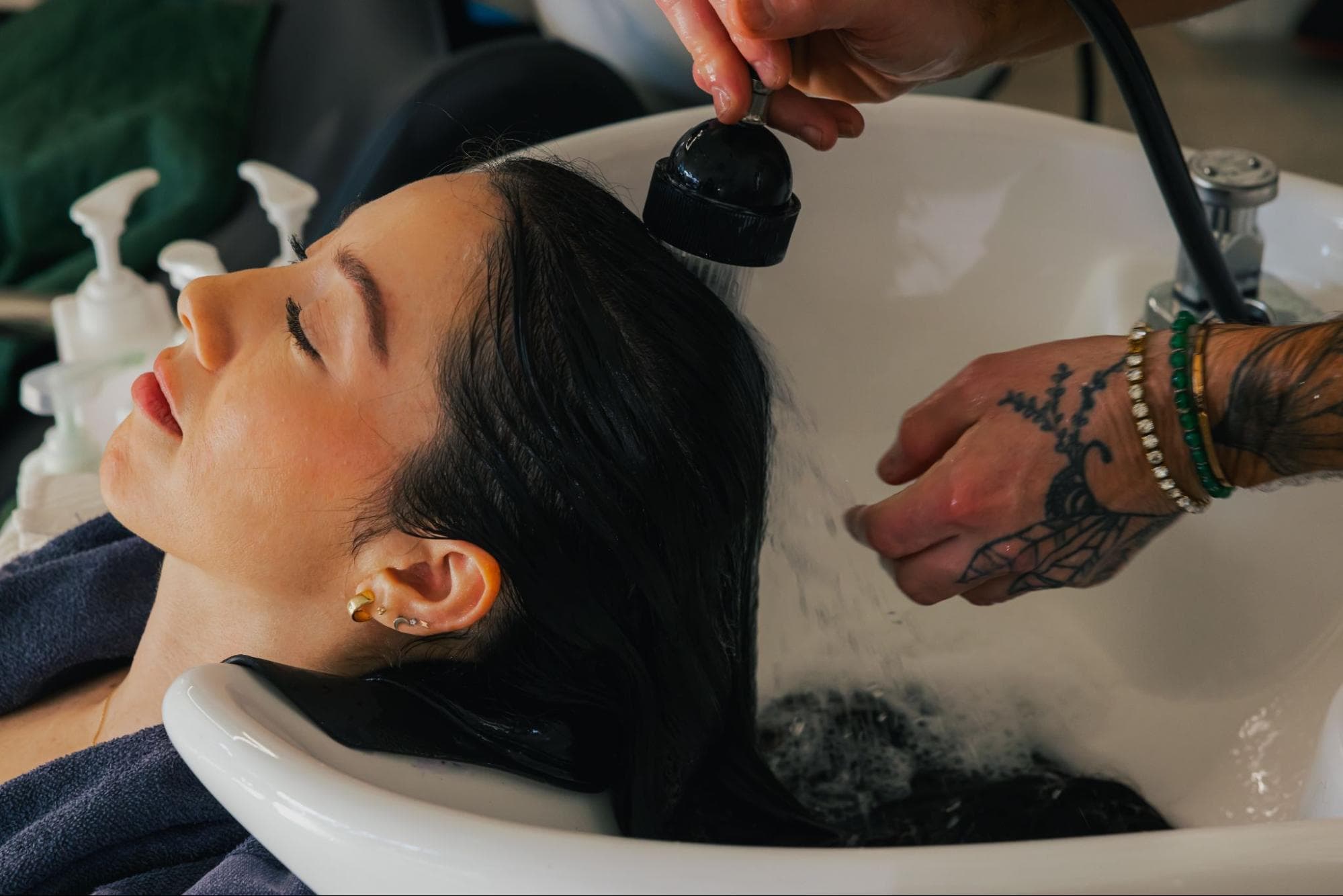
What Kind of Beauty Salon Insurance Is Best For Your Business?
To run a successful beauty salon, your business plan needs to prepare for the unexpected. Your team has to be in close physical contact with clients, often in busy areas while working with harsh chemicals and hot tools, and even the most experienced stylists can have accidents.
Beauty salon insurance is an essential safety precaution that helps protect your stylists and business in the event of an accident or property damage. But what exactly does hair salon insurance cover, how much does it cost, and how do you choose the right policy? In this practical guide, we’ll walk you through how to make the best insurance decisions for your salon.
What’s Beauty Salon Insurance?
Beauty salon insurance is a collection of insurance policies meant to protect service-based beauty business owners from financial harm in the event of an injury, a service error, or property damage.
Genuine accidents—like a defective product causing a nasty chemical burn—happen, and insurance generally covers the cost of damages. But salons can also fall victim to unfair claims.
Let’s say a client wants to lift their hair to platinum blonde. When your stylist asks, the client says they’ve never used an at-home box dye before. But once they apply the bleach, the client’s hair immediately turns gummy and starts to break off. It’s clear the client wasn’t being honest about their secret box dye use, but they file a claim against your salon, insisting their stylist must have done something to damage their hair. Beauty salon insurance can protect you from having to pay for this mistake when you haven’t actually done anything wrong.
Software built for the salon experience
Busy salons need more than an appointment book — they need a system that keeps stylists booked, clients coming back, and retail moving. Boulevard’s salon software combines online booking, POS, and marketing tools built for the pace of salon life.
What Does Beauty Salon Insurance Cover?
Beauty salon business insurance is usually a bundle of policies that cover a range of potential risks. You can generally choose the scope of your coverage, depending on local laws and your own personal risk tolerance.
Here’s an overview of some coverage types salon owners should consider.
General Liability Insurance
General insurance financially protects your business if someone gets hurt on your property. Something as simple as a loose cord or slippery floor can lead to a fall that ultimately costs you thousands of dollars. Hair salon liability insurance can help cover the cost of legal bills, medical treatment, and settlements.
Professional Liability Insurance
Also known as malpractice insurance, professional liability insurance protects you against claims from service errors and client dissatisfaction.
A hair or nail salon might need professional liability insurance when:
A client has an unexpected allergic reaction
A client dislikes their results and claims negligence or malice on the stylist’s part
A stylist leaves bleach on a client’s hair for too long, leading to scalp pain and severe breakage
A nail technician cuts a cuticle too deeply, resulting in an infection
Commercial Property Insurance
If your property is damaged—whether it’s the building, your equipment, or your retail products—commercial property insurance helps cover costs to repair or replace it. This kind of insurance usually protects you against risks like fires, floods, and theft, and may reimburse you for the cost of damaged items and fund repairs if necessary.
Business Interruption or Loss of Income
If the unthinkable happens, like a faulty outlet causes a devastating electrical fire, you may have no choice but to close up shop until repairs are finished. This is when business interruption insurance kicks in, covering lost income and ongoing expenses (like rent and paying staff) until you can reopen.
Workers’ Compensation
Most states require workers’ compensation insurance, which covers costs if an employee gets sick or hurt while on the job. This includes things like accidents from mishandling hot tools and carpal tunnel syndrome from repetitive movements.
Business Owner’s Policy (BOP)
BOP is an insurance package for small to medium-sized businesses. It bundles general liability and commercial property insurance into one policy. To qualify for BOP, you generally need to:
Have fewer than 100 employees
Report less than $5 million in annual income
Be a low-risk business (like beauty salons)
Have a physical location with less than 25,000 square feet
Specific numbers, like square footage and annual income, can vary between providers. Check your specific plan’s requirements before committing.
How Much Does Beauty Salon Insurance Usually Cost?
Budgeting for insurance is an important task in your overall salon financing efforts. How much you’ll pay for insurance comes down to a few factors:
The number of workers you employ: More workers means more opportunities for accidents and higher risk for insurers.
The services you offer: High-risk services like chemical straightening and tanning beds increase premiums.
Claims history: The more claims you file (or that are filed against you), the more you can expect to pay each month.
Location: Salons in areas with higher crime rates or a higher cost of living tend to see more expensive rates.
Revenue and size: Multi-location salons with high property values, and those that make a significant amount in annual income, will almost always end up paying more for insurance.
All these factors can change your salon business insurance rates. And the kind of insurance you need affects the price, too. For example, you could pay anywhere from $200 to $3,000 per year for general liability insurance, depending on the size of your salon and what state you’re in.
How To Choose the Right Beauty Salon Insurance Policy: 5 Steps
Salon insurance can be complex, and with so many coverage options out there, it can be hard to figure out exactly what you need and which prices are fair.
Here’s a simple five-step guide to choosing the right policy for your salon.
1. Identify Your Salon’s Risk Exposure
In general, the more high-risk services you offer, the deeper your coverage needs to go. High-risk beauty businesses include:
Salons offering more invasive or potentially dangerous procedures (like injectables, indoor tanning, and chemical treatments)
High-end salons with expensive equipment and high property value
Salons and spas storing sensitive client information
Salons operating in dangerous neighborhoods
For example, an independent nail artist typically only needs basic liability coverage. But salons in an expensive neighborhood with multiple stylists that specialize in perms might want to consider full coverage insurance.
2. Confirm Third-Party Requirements
Your lease or state legislators might set details on the minimum coverage you need to carry. Review the terms of your lease carefully to see if minimum coverage is outlined. Then, check the business insurance laws in your state and requirements set by your local cosmetology board.
3. Compare Coverage Details, Not Just Premiums
It can be tempting to just pick the most affordable policy you can find. But skimping on insurance can leave you vulnerable to big financial losses down the line—especially if you find hidden gaps in your policy after filing a claim.
Keep an eye out for policy details like:
Limits: Is there enough coverage for your needs? Things like out-of-pocket maximums change how much you might have to pay directly.
Deductibles: Lower monthly rates usually translate to higher deductibles.
Exclusions: If an important hazard isn’t listed (such as tornadoes in Texas or earthquakes in California), you might be on the hook for natural disaster damages.
Insurer support: How fast does your provider respond to claims? Will they be there for you when it really counts?
4. Make Sure Coverage Supports Future Growth
You might only need minimum coverage in your first few years, but as your beauty salon grows and your risk increases, you’ll need a more comprehensive policy. Choose one that allows you to easily incorporate add-ons and upgrade your terms when you need to.
5. Review Policies Annually
To maintain coverage that supports your long-term ambitions, you need to keep your provider up-to-date about your operations. Reviewing your insurance policy annually can help you identify coverage gaps as you add services and stylists and make upgrades as needed.
Protect Your Salon With the Right Coverage and Systems
The insurance you choose for your beauty salon can seriously impact your financial security and peace of mind. Your operational strategy needs to be top-notch if you really want to grow your salon and protect your staff, clients, and bottom line.
Putting proactive systems in place is just as important as the safeguards you choose. With Boulevard, you get an all-in-one salon management platform that feels just as luxurious as the services you offer. You can manage scheduling, memberships, client profiles, POS, and much more with our integrated solutions.
Request a demo today.
FAQ
Is Beauty Salon Insurance Required by Law?
In most places, salons are required to buy workers’ compensation insurance once they have at least one employee. However, you should always review local laws to make sure you meet any and all requirements.
Do Independent Stylists Need Their Own Insurance?
Yes, independent stylists should have insurance to protect themselves from financial harm. If you rent a space, it may even be required by your lease.
Does Beauty Salon Insurance Cover Chemical Burns or Allergic Reactions?
Generally, yes. Chemical burns and allergic reactions are some of the most common salon claims, and most general liability and professional liability policies cover them.
How Often Should Salon Owners Review Their Insurance Policies?
Review your policies at least once a year to make sure your current coverage still works for your salon. You should also reassess coverage when you’ve made a big change, like:
Adding new services
Upgrading your equipment
Opening a new location

Skya Jones
Sr. Medspa Education Manger
Skya Jones is an industry expert and consultant who serves as one of the in-house medspa experts at Boulevard. In this role, she collaborates closely with Boulevard’s team and their customers to help deliver exceptional, memorable client experiences. With nearly a decade of experience in the medical spa industry, Skya is deeply passionate about leadership and education, and is dedicated to empowering businesses to thrive. Prior to joining Boulevard, she successfully managed and provided consulting services to a range of medical spas and retail beauty businesses.
Related Posts
CYA: How to Stop Worrying by Learning to Love Liability Insurance
Liability insurance is an important part of any hair and beauty salon business. Learn about the different types of insurance, how much it costs, and more.
Read Article
Medical Spa Insurance Explained: What Every Policy Should Cover
Boulevard breaks down medical spa insurance options, from malpractice and liability coverage to policies for cyber risks and workers’ compensation.
Read Article
How to Improve Spa Profit Margin
Boosting revenue and managing costs to increase your spa profit margin sounds simple. It’s also not complicated.
Read Article
Beauty Salon Equipment: Rent, Buy, or Finance?
When shopping for beauty salon equipment, how you shop matters just as much as the quality of the equipment itself. Here's what you need to know.
Read Article
Eyelash Extension State Requirements: What You Need to Know for Your Business
Learn the eyelash extension state requirements for all 50 states, plus practical guidelines on labor, insurance, and sanitation, by reading this guide.
Read Article
3 Tips for Starting Your Own Barbershop
Wondering how to start a barbershop? Whether you’re moving up from renting a chair or beginning as an entrepreneur, this guide can help.
Read Article
Grow Your Self-Care Business: How to Convert Your Sole Proprietorship to LLC
Ready to grow your self-care business? Our guide will help you convert sole proprietorship to LLC in just a few months. Learn more inside.
Read Article
Salon Budget Examples: Run a Profitable, Scalable Beauty Business
Learn how to plan your salon’s budget with examples for different business models. Find out what expenses owners should monitor to protect profitability.
Read Article
Building a Salon Equipment List: Tips for New and Growing Salons
Boulevard walks through a salon equipment list for new and growing salons, including furniture, tools, and tech, and how to budget for what matters most.
Read ArticleSign up for weekly blog updates.