Blog • Best Practice
CYA: How to Stop Worrying by Learning to Love Liability Insurance
CYA: How to Stop Worrying by Learning to Love Liability Insurance

It's not glamorous, but understanding what liability insurance you need will keep you from pulling out your hair if you're hit with a lawsuit.
When you're starting your new hair or beauty salon, it's easy to think about all the exciting new things you'll need to get it up and running: a trendy spot downtown, equipment and supplies, and the staff you'll need to keep people coming back. There's one thing you shouldn't forget during the hustle that's just as important as a sharp pair of shears: liability insurance.
It's definitely not the most glamorous part of running a salon, but choosing the right liability insurance will give you peace of mind and allow you to weather legal problems as your business grows.
Here's everything you need to know about liability insurance, from why you need it to what types of insurance you can get, what can affect your monthly rate, and where you can get it.
Why do I need liability insurance?
All hair and beauty salons incur some kind of risk during day-to-day operations. Accidents can happen, people can get hurt, and mistakes can leave a lasting impact on your customers.
Without liability insurance, dealing with these incidents will force you to pay any associated medical or legal costs out of pocket — costs that can range from tens of thousands to upwards of a million dollars. This may even lead to bankruptcy and the loss of your salon.
With insurance, most (if not all) of those costs are covered by your policy. For a monthly fee, you can be sure that unforeseen incidents are only speed bumps, instead of salon-closing events.
What types of liability insurance can I get?
Different types of liability insurance provide coverage for different kinds of claims. While every hair and beauty salon is different, there's a good chance you'll need several of these options — if not all of them — to receive comprehensive coverage.
General liability insurance: Professional stylists take great care to maintain their tools and keep a clean workspace, but there's always a chance a customer could slip and fall, or receive a chemical burn or other injury. General liability insuranceprotects your salon against such accidents, helping to cover medical and other costs a customer may incur.
Professional liability insurance: This is different from general liability insurance but just as important to have in such a customer-focused industry.Also known as errors and omissions insurance (E&O), professional liability protects from claims and lawsuits that result from mistakes a stylist may make.
For example, a client receives a haircut at your salon to prepare for their wedding. The wedding goes poorly, and the client believes that the quality of the haircut is the reason they experienced all that distress. If this client decides to sue, professional liability insurance will cover your legal fees and other associated costs.
Business owner’s policy: Many insurance agencies offer a package called a business owner’s policy (or BOP for short) specifically tailored for small- to medium-sized salons and spas.
BOPs provide a combination of general liability insurance and property insurance, which can cover your building, styling equipment like razors and shampoo stations, and other property you may use during the course of business. Property insurance can help protect against fire, flood, theft, or other events.
Additionally, purchasing a BOP can often provide discounted rates compared to purchasing individual general liability and property insurance plans.
Workers' compensation: While many of the above plans are specific to customers or your property, workers' compensation (also known as workers' comp) is insurance that is specifically meant for the employees of your salon.
If a stylist gets injured or sick while working, workers’ comp ensures that they receive any benefits or lost wages that may result, regardless of fault. Injuries and ensuing losses sustained off the job, however, are not covered by workers' comp.
Most states require providing some form of workers' comp to your stylists in order to legally operate a salon or spa. Every state has different rules around what workers' compensation packages you need and what they cover.
How much does liability insurance cost?
Every salon has unique needs, but, Progressive lists monthly estimates for the following types of liability insurance as of 2020:
General liability: $53/month
Professional liability: $46/month
Business owners policy (BOP): $84/month
Workers' compensation: $86/month
It's important to remember that these are average rates for the average business, and your costs may increase or decrease based on the following factors:
Location: A beauty salon located in a suburb in the Midwest is going to have much lower liability, property insurance, and workers' compensation rates than a salon of a similar size located in the heart of Los Angeles or New York City.
Number of employees: The more employees you have on your payroll, the more people you need to make sure are covered by your liability insurance and workers' compensation. A small hair salon with a handful of employees won't need to pay as much for insurance as a spa with dozens of employees.
Services provided: The types of services you offer can have an effect on rates. Tanning beds, chemical peels, and other similar services can increase the amount of risk of potential accidents and can increase the costs of associated general and professional liability insurance. Plus, specialized equipment for those and similar services will potentially incur property insurance costs as well.
Coverage needs: Policies with higher aggregate limits (the total amount an insurance company will pay out during a policy term) will generally cost more than policies with lower limits. Make sure you factor in the total costs of running your salon and the cost of any potential liabilities when choosing a policy. Pay too much and you might be throwing money away; too little and the money you save now could lead to headaches down the road.
History of claims: If your salon has fewer incidents, you're considered a lower risk to insure, and will see lower rates as a result.
You won't really have a sense of your monthly rates until you properly assess your business and speak with an insurance agent.
Where can I get liability insurance?
The following providers offer small business insurance packages tailored to hair and beauty salons:
Boulevard was built to help your business achieve profitability at scale without losing an inch of sanity. See for yourself! Get a free demo today.


Shanalie Wijesinghe
Content Strategy Director
Shanalie Wijesinghe is the Content Strategy Director at Boulevard. She lends her industry and platform expertise to both in-house staff and partner salons and spas. A salon industry veteran with more than 15 years of experience working for high-end luxury salons such as Sally Hershberger and BENJAMIN, Shanalie was previously Director of Education for Boulevard and blends her knowledge of the beauty and technology industries to help put the company’s partners and employees on the path to success. A Bay Area native and first-generation immigrant, Shanalie is a graduate of the Paul Mitchell School specializing in cosmetology, styling, and nail instruction.
Related Posts
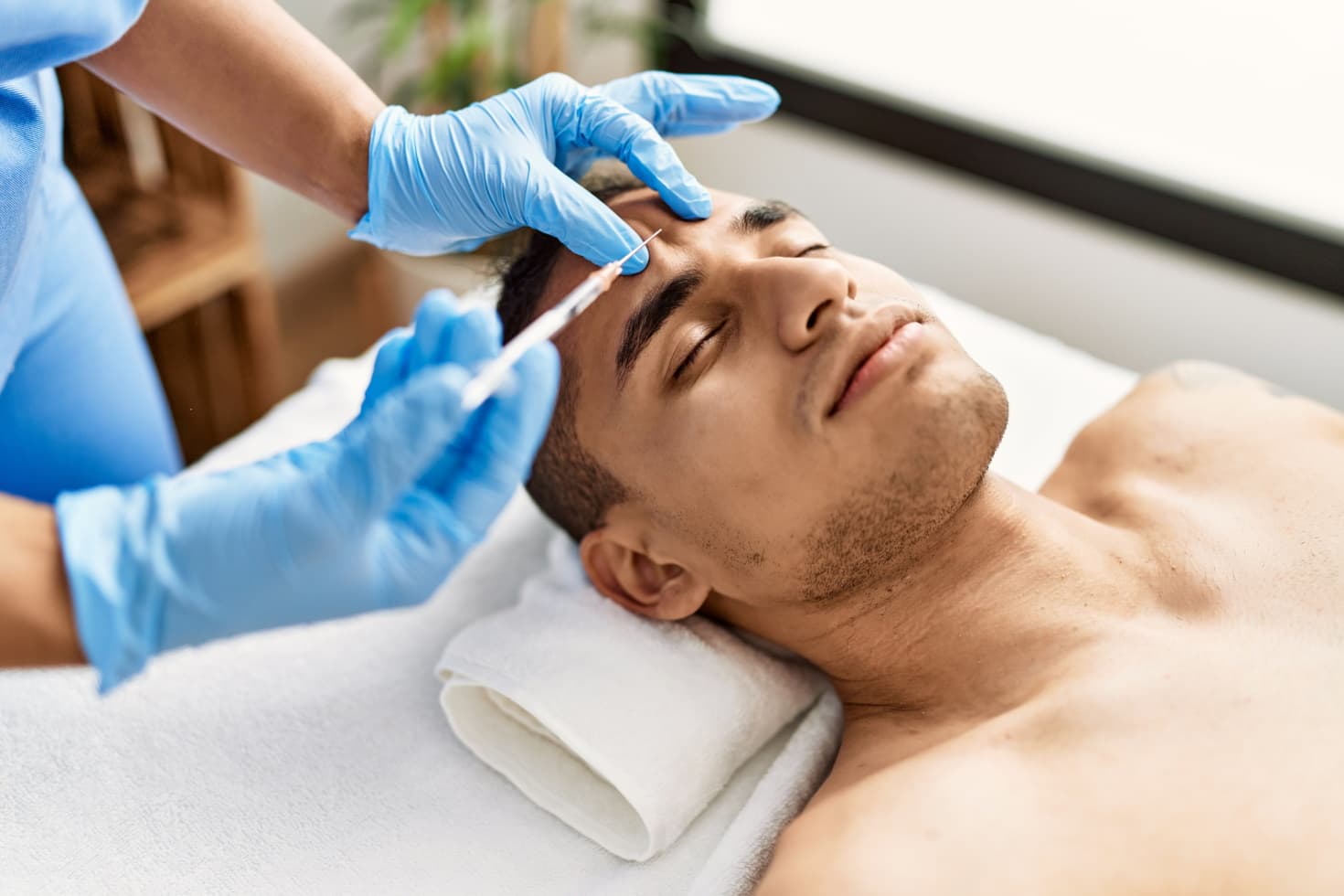
Hiring Aesthetic Nurse Injectors: What Medspa Owners Should Look For
Learn about all the licensing, experience, and pay expectations that medspa owners need to verify before hiring an aesthetic nurse injector.
Read Article
How Salon Analytics Software Helps You Grow Sustainably
Learn how salon analytics software works, how it tracks metrics like revenue and retention, and how it helps you get instant, up-to-date answers.
Read Article
Vegan Beauty Products: Boost Retail Sales and Client Trust
Learn how stocking vegan beauty products can grow your salon or spa's retail revenue, and find out how to choose and introduce the right products.
Read Article
Appointment Reminder Templates You Can Use Right Now
Boulevard shares appointment reminder templates for salons and medspas with tips for writing messages that reduce no-shows and late cancellations.
Read Article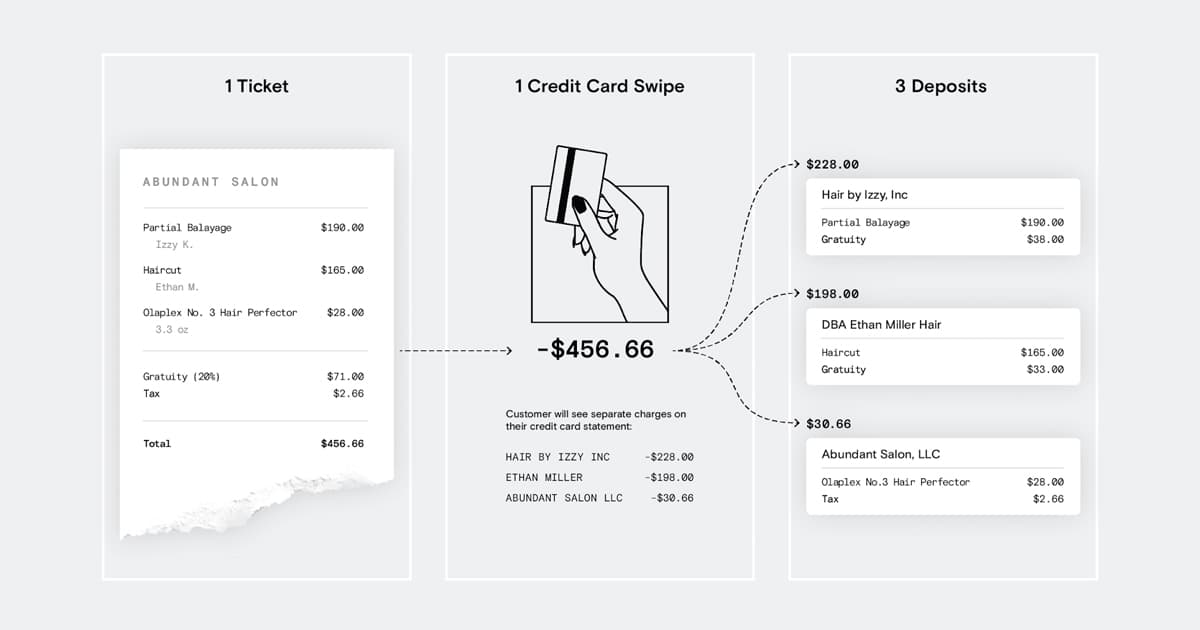
AB5 + Salon Owners: How Boulevard Can Help
Learn how Boulevard salon software can help California salon owners stay in compliance with Assembly Bill 5.
Read Article
How To Open a Medical Spa: A Step-by-Step Guide to Get Started
Learn how to open a medical spa, from startup costs to licensing requirements, with Boulevard’s nine-step process and supportive software.
Read Article
6 Must-Have Features of a Barbershop POS System
The right barbershop POS should make your life easier. Here are the features to prioritize when you’re opening a shop or ready for an upgrade.
Read Article
What Are the Most Effective Nail Salon Marketing Strategies?
Boulevard breaks down nail salon marketing strategies to help you raise local visibility, strengthen social media engagement, and turn leads into regulars.
Read Article
Optimizing Tip Management Across Multiple Salon Locations: A Guide for Owners
As a beauty business grows to multiple locations, managing gratuities can become more and more complicated. Here’s how to stay on top of tips.
Read ArticleSign up for weekly blog updates.