Barber • Best Practice
Barbershop Management: How to Run a Profitable and Organized Shop
Barbershop Management: How to Run a Profitable and Organized Shop
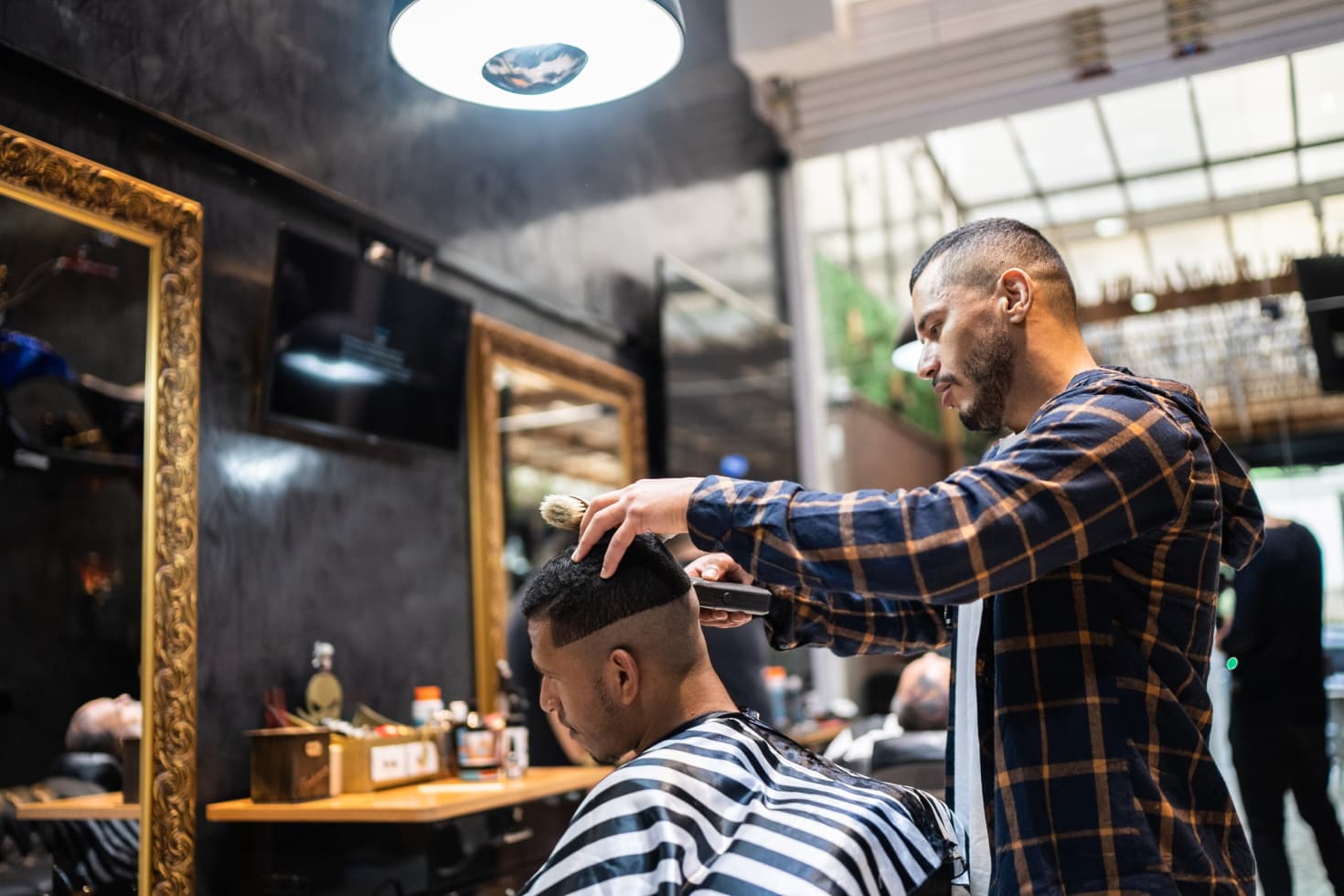
Barbershop Management: How to Run a Profitable and Organized Shop
Don’t let a barbershop’s tight service menu deceive you. Although most clients come in for a simple haircut or shave, the front desk team coordinates a business model full of complexity and overlapping demands. Barbershops often seat walk-ins and booked appointments, mix independent contractors with commissioned employees, and process a high volume of cash transactions.
This guide looks at the workflows that deserve the most attention when building strong barbershop management operations. We’ll also explore how Boulevard brings those workflows into a single system to keep shops more organized and profitable.
What Barbershop Management Actually Involves
Barbershops naturally feel laid-back, but clients and managers alike often underestimate how structured the operation behind that atmosphere needs to be. A smooth day depends on clear systems for scheduling and staff management, while long-term growth relies on proper inventory, strong client retention, and impactful marketing strategies.
High-performing barbershop management ties those responsibilities to repeatable workflows, so your team knows how to handle routine decisions without relying on the owner to direct every step.
For owners thinking about how to manage a barbershop more effectively, the best areas to focus on are the workflows that shape day-to-day performance and sustained profitability.
Daily Operations and Workflow Standards
Variability is an everyday part of barbershop operations. Walk-ins change the appointment schedule while cash payments can complicate reconciliation and varied employment structures may create inconsistent payout rules. Your goal shouldn’t be to eliminate those variables altogether, but to make the shop’s responses to them consistent.
Opening and closing procedures: Standardize the tasks that bookend each shift, including register counts, inventory checks, and end-of-day reconciliation. Assign responsibilities clearly so each task stays consistent across shifts.
Walk-in and appointment management: Define how walk-ins fit around booked appointments without pushing the calendar behind. Make rules around service times and scheduling buffers to create room for walk-in clients. A barbershop online booking app with walk-in client management features can automate those rules against your live calendar.
Service delivery standards: Every barber, including independent contractors, should understand how the shop greets, services, and checks out clients. Consistency across barbers reinforces your barbershop’s brand and gives clients a recognizable experience every time they visit.
Hiring, Scheduling, and Retaining Barbers
Barbershop staff management has to balance the way you want to run the shop with what motivates barbers to stick around and build a career with you. That means choosing a practical staffing model with fair scheduling structures and clear opportunities for growth.
Staffing model: Booth rental or commission models can work well, depending on your shop’s operating style and the level of independence barbers want. Each model has its own management implications for control, cost, and staff retention. Booth rental reduces payroll administration but gives owners less control, for example, while commission requires more hands-on management but offers more control over pricing and the overall client experience.
Optimized barber schedules: AI-assisted booking software can see barber availability, service length, and existing appointments to place new client bookings where they fit best. Owners or managers may still have to review how walk-ins and high-value appointments distribute across the team to ensure all barbers consistently receive new business.
Career advancement opportunities: Define what qualifies a barber to move from junior to senior or master level using measurable criteria, like client retention and rebooking rates or technical proficiencies. Each level should tie to a concrete benefit, such as higher commissions.
Across any staff management software, transparent commission and tip tracking gives barbers a clear understanding of payments and earnings. It also makes payouts easier to verify and builds trust around how the shop handles compensation.
Building a Client Base That Comes Back
Barbershops count on a built-in advantage for winning back repeat business: Most clients need another haircut within a matter of weeks. Good barbershop client retention strategies convert that recurring need into a habit with a handful of easy-to-implement practices.
Rebooking at checkout: Build a rebooking prompt into the checkout flow and train front desk staff to ask every client whether they’d like to reserve their next appointment. Use the client’s usual haircut cycle as a guide, so the suggestion feels personalized and practical.
Loyalty initiatives: A simple rewards program is often enough to encourage repeat visits. A punch card that gives every sixth cut a discount, for example, rewards repeat appointments without making clients learn a new process or complicated points system. Barbershop software should be able to track progress automatically through the POS system.
Preferred barbers: Once a client finds a barber they trust, make that relationship easy to maintain throughout future appointments. Record their preference in their client profile and train the front desk to check it when rebooking. Choose an online booking app that lets clients choose their preferred barber when they book appointments online.
Timed appointment reminders: Use automated reminders to prompt clients to rebook during their typical return window. Appointment history data can help identify when a client is due for another haircut or beard trim.
Repeat business improves revenue predictability and costs far less than constantly acquiring new clients. Strong retention can help well-managed barbershops reach the higher end of expected net profit margins, which tend to sit between 8% and 20%.
Inventory, Supplies, and Retail
Barbers use a narrow set of supplies, and can burn through them quickly. Effective barbershop inventory management keeps high-use essentials available while giving owners tight control over purchasing and retail stock.
Product usage tracking: Monitor how long core supplies (blades, neck strips, and disinfectant) last, and reorder based on real consumption. Inventory software can flag low stock before you run out.
Combined service and retail products: Pomades, beard oils, and grooming products are easier to sell after barbers use them during an appointment. Turning the service into a natural product demonstration shows clients a clear reason to buy.
Useful retail KPIs: Monitor retail attach rates and average retail spend to see how well product recommendations convert into sales. Compare numbers over time to identify the best-sellers, the barbers who need sales training, and whether retail product sales meaningfully contributes to barbershop revenue.
Software made for the barbershop rush
Walk-ins, regulars, and back-to-back chairs — barbershops move fast. Boulevard’s barbershop software keeps scheduling tight, checkout quick, and clients coming back for their next cut.
Why the Right Technology Makes Barbershop Management Easier
Make pen-and-paper systems and disconnected tech stacks a thing of the past. Integrated barbershop management software brings all your workflows into one operating system. Scheduling rules can carry directly into appointment booking and walk-in management, while client profiles, payments, and inventory stay connected to each visit.
A connected system reduces manual work between different parts of the same workflow. A completed checkout can update inventory automatically with payment records attached to the right barber, then reporting and analytics can support automated appointment reminders.
For multi-location shops, centralized management software also makes it easier to apply operating standards across locations while giving owners a bird’s-eye view of performance.
How Boulevard Helps Barbershop Owners Run a Tighter Operation
Boulevard’s barbershop software was built for appointment-based self-care businesses. For owners and managers, that means software designed around the operational details that keep a barbershop running.
Precision Scheduling™ uses AI to optimize walk-in and scheduled-appointment flows, accounting for barber availability, service timing, and the rest of the live calendar. Client Profiles attach visit history and notes to each client, so barbers have valuable context before every appointment.
Boulevard’s multi-merchant accounts solve a barbershop-specific payment challenge. A single checkout can automatically split into separate deposits, routing eligible service revenue directly to barbers and the shop's account. No matter what staffing model your shop uses, teams can benefit from one payment system without manually untangling payouts afterward.
Discover how Boulevard’s barbershop software can support your management system.
FAQ
What’s the Most Common Mistake Barbershop Owners Make With Management?
A common mistake is making the owner the default decision-maker for routine barbershop operations, which becomes impossible to maintain. Shops that scale successfully train staff on daily operations that work well even when the owner is out.
How Many Clients Can a Barber Realistically See in One Day?
A barber can usually see anywhere from eight to 15 clients per day, although it depends on the service mix and barber efficiency. A schedule full of quick haircuts can support higher volume. Barbershop scheduling systems with native reporting and analytics can verify typical service times to build realistic calendars.
What Profit Margin Should a Barbershop Target?
Common estimates range between 8% to 20%. Strong client retention, efficient scheduling, and successful retail programs increase revenue generated from existing demand without cutting costs or raising prices.
Should a Barbershop Use Booth Rental or Commission?
One model isn’t inherently better than the other. Booth rental lowers payroll and liability costs, but limits control over scheduling, pricing, and the overall client experience. Commission gives owners more autonomy and consistency, but requires more involved financial management, including handling payroll, taxes, and benefits. Hybrid models allow barbershops to take advantage of both models and attract a wider set of barbers.
How Does Boulevard Handle Both Walk-Ins and Appointments?
Boulevard’s Precision Scheduling™ analyzes barber availability, service length, and existing bookings to find the best place for every appointment on the calendar. It can also work walk-ins into open time slots without disrupting existing appointments or leaving gaps in the schedule.

Shanalie Wijesinghe
Content Strategy Director
Shanalie Wijesinghe is the Content Strategy Director at Boulevard. She lends her industry and platform expertise to both in-house staff and partner salons and spas. A salon industry veteran with more than 15 years of experience working for high-end luxury salons such as Sally Hershberger and BENJAMIN, Shanalie was previously Director of Education for Boulevard and blends her knowledge of the beauty and technology industries to help put the company’s partners and employees on the path to success. A Bay Area native and first-generation immigrant, Shanalie is a graduate of the Paul Mitchell School specializing in cosmetology, styling, and nail instruction.
Related Posts
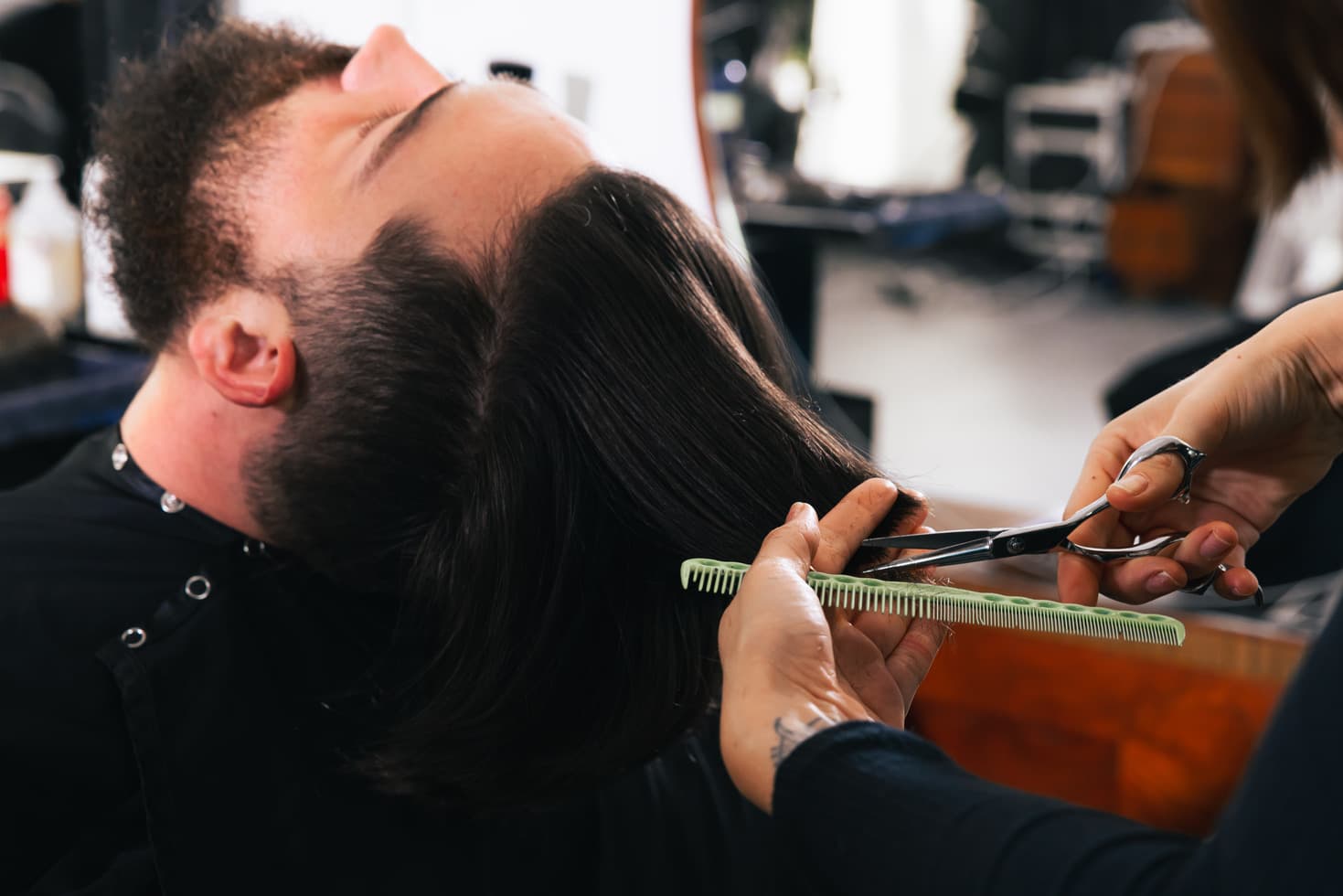
Barbershop Booking Software Guide
Boulevard's guide explains what barbershop booking software does, what features it should include, and how to evaluate the options to find the best fit.
Read Article
Barbershop Ideas: Get Inspired & Get Paid
Read this guide for the barbershop ideas, tips, tricks, and techniques that owners need to hit the ground running with a winning business strategy.
Read Article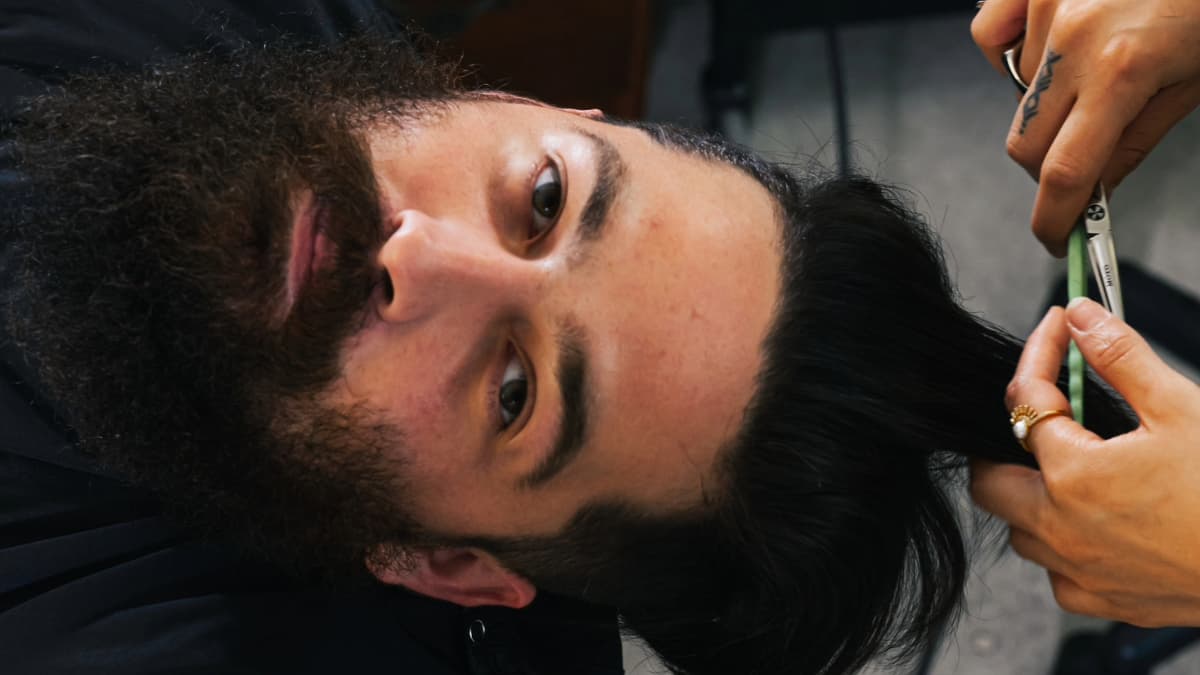
Running a Successful Business With Barbershop Software: The Ultimate Guide
The right barbershop software streamlines operations and saves time — while the wrong choice could be a burden. Here’s how to find the best solution for you.
Read Article
A Guide to the 8 Best Barbershop Software Choices for 2026
Boulevard breaks down the five best barbershop software for 2026, which features operators should look for, and which platforms fit different shop sizes.
Read Article
Spa Management: 4 Best Practices to Improve Your Business
From smart booking to report wizardry, this guide will teach you spa management best practices to help you conquer your schedule, inventory, and more.
Read Article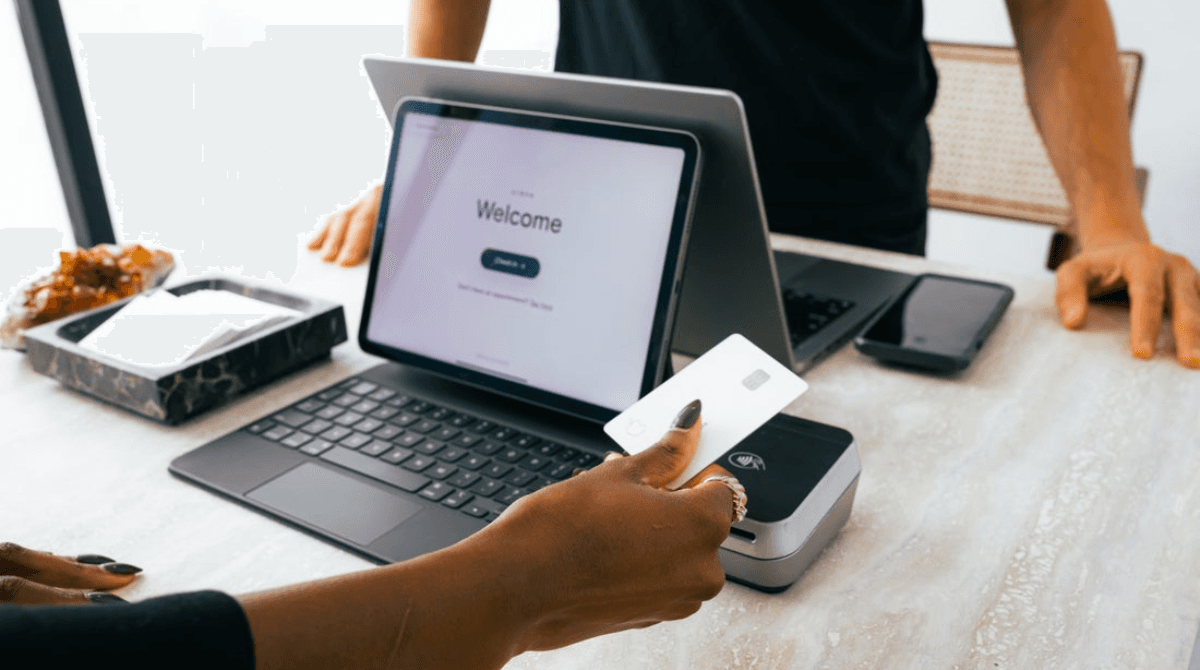
How to Run a Hair Salon: Key Steps and Essential Software
Learn how to run a hair salon with this step-by-step guide. We’ll cover business planning, tools, hiring, and marketing tips for long-term growth.
Read Article
How Much Do Barbers Make? Owner Salary & Profit Guide
With more barbers training in the United States, it’s essential to ask: How much do barber shop owners make?
Read Article
Salon Budget Examples: Run a Profitable, Scalable Beauty Business
Learn how to plan your salon’s budget with examples for different business models. Find out what expenses owners should monitor to protect profitability.
Read Article
Beauty Salon Accounting Software: Bank More Profit With These Must-Have Features
Make sure your beauty salon accounting software has these features so you can balance your books faster and get back to serving your clients.
Read ArticleSign up for weekly blog updates.