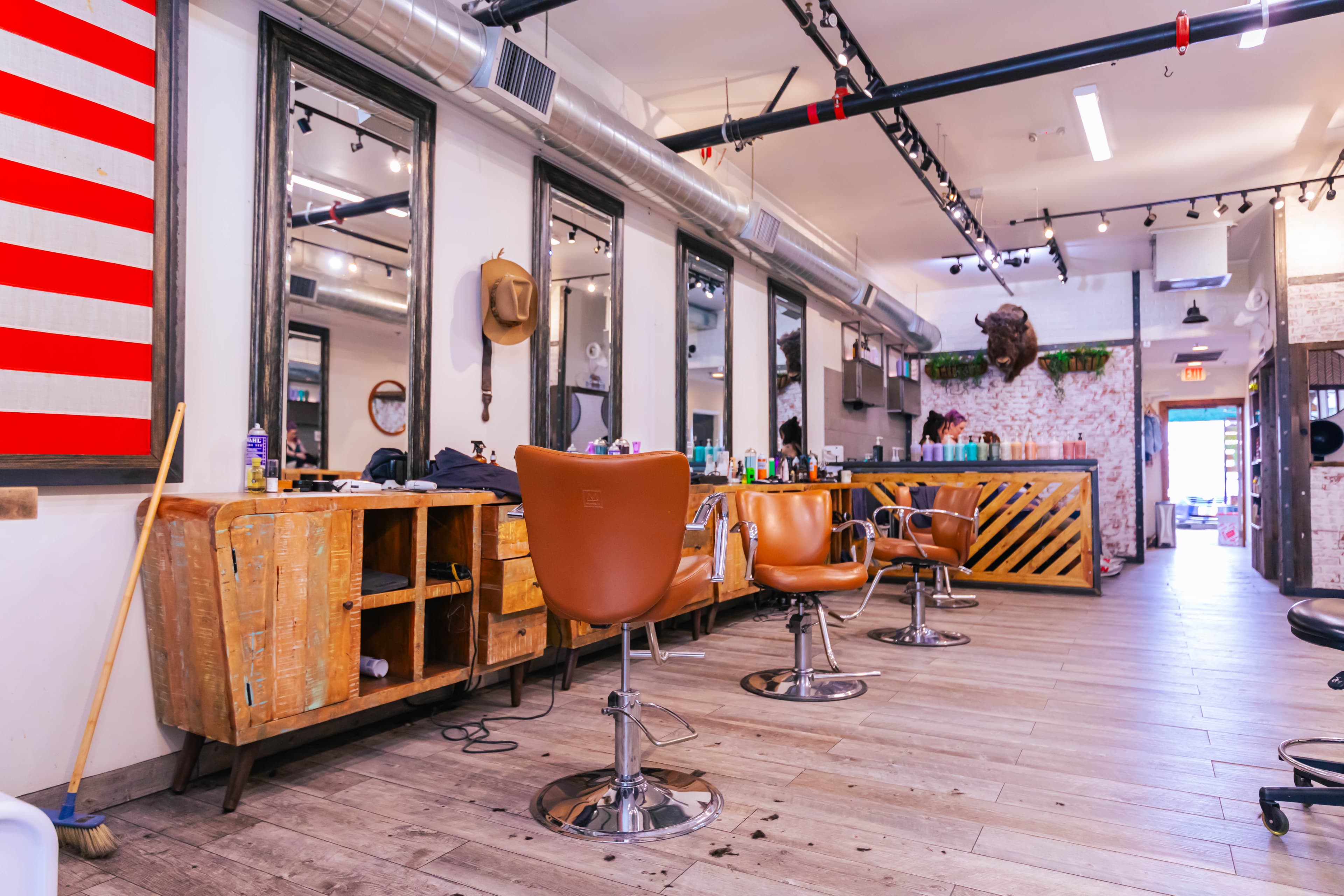
Learn how you stack up against industry averages and ways to increase your margins.
With the stratospheric rise of social media and an increased desire among men to look and feel their best, it’s easy to see why barbering is one of the fastest-growing jobs in the United States. As new barbers ply their trade, experienced barbers are looking to open their own shops to leverage this growth and meet this new demand. However, there’s one question they’re likely looking to answer before taking the plunge: How much do barbershop owners make?
Here, we’ll explore what the average take-home salary is for barbershop owners across the country. "While barbershop owner salary varies widely, earnings are typically influenced by location, pricing strategy, operating costs, and the number of revenue streams a shop maintains. We’ll also explain the factors that go into that salary and ways you can close the gap between where you’re currently at in your barbering career and where you want to be.
Software made for the barbershop rush
Walk-ins, regulars, and back-to-back chairs — barbershops move fast. Boulevard’s barbershop software keeps scheduling tight, checkout quick, and clients coming back for their next cut.
Key takeaways
Barbershop owners can make an average of $52,123 a year, though finding exact rates is difficult due to a number of regional and financial factors.
Managing overhead is a great way to increase your salary. Examine costs like rent, utilities, labor, and other expenses and look for ways to reduce or stabilize them where you can.
Location can often affect pricing. Low-rent, high-trafficked locations allow you to be more flexible with pricing while giving you greater profit margins.
Diversifying your menu with services and add-ons that capture the latest trends can give your take-home pay a significant boost.
If done right, offering chair rentals can stabilize your monthly income while offloading many of the costs associated with running your business.
Keep your store stocked with products your clients need to further diversify your revenue streams.
How Much Do Barbershop Owners Make?
According to ZipRecruiter, the average barbershop owner’s salary is $52,123 a year. This number is based on an average calculated from its database of active jobs posted throughout the United States. Many people searching how much do barbers make are actually comparing barber income to barbershop owner earnings. Owners generally have higher earning potential, but they also take on significantly more financial risk and operating expenses.
While this number is certainly helpful for finding out how your salary compares, pinning down exact numbers for any salary within the salon industry is tricky for a number of reasons. For one, barbershops typically don’t rely on traditional business models to operate. Many of the employees they hire are technically independent contractors who rent their chairs, and agreements on monthly payments and commission structures can vary wildly between individual barbershops.
There is also a wide range of salaries depending on which city or state you’re operating in. A barbershop owner in Washington state might make thousands of dollars more than an owner in Kansas. And that same owner might make more money if they’re in a big city like Seattle as opposed to a rural city like Yakima.
Of course, expenses also factor into that final salary as well — costs associated with rent, equipment, and other fees eating away at those potential profits. Here are a few tips you can use to help reduce those costs and improve your odds at boosting your take-home pay.
Managing Barbershop Overhead and Expenses
The most obvious lesson of business management is that companies profit when their revenue is higher than expenses. For barbershops, that means understanding all of your finances and overhead — not just in terms of rent but also supplies, insurance, and utilities. Keeping track of regular and irregular costs can be complicated, especially when figures vary by state, neighborhood, or building. But it’s an essential process if you want your shop to succeed and grow. Reducing unnecessary expenses is one of the fastest ways to increase barbershop profitability without raising service prices.
Start by taking stock of all of the expenses you need to account for. Seeing it written down won’t just give you a sense of what you’re spending your money on; you’ll also be able to start brainstorming ways to bring those costs down. A potential list of expenses for a barbershop could include:
Payroll: Do you have any barbers, receptionists, or other employees on staff? Labor is likely one of your most significant expenditures, so make sure you’re only paying for the employees you need.
Rent: Rent payments can fluctuate dramatically depending on which side of town (or even street) you’re on. Investigate other options in your area to see if there’s potential savings to be had.
Utilities: There’s no getting around this; you need electricity, water, internet, and other utilities to run a functioning shop. Even so, you should still keep an eye on what your monthly bills are like to see if some months run higher than others or whether you’re suddenly seeing spikes outside of normal usage. That knowledge can help you plan your budgeting more effectively.
Inventory: Supplies like Barbicide, neck strips, and styling products are all vital elements of any barbershop, so be sure to track your costs and usage to make sure you’re not wasting anything.
Credit card fees: Losing a little bit of money from every single transaction can add up fast. Consider implementing offset tools to help you reduce and stabilize these costs.
When starting a barbershop, the key is to have a big picture view of expenses and services so you can set prices and growth goals. Business management software like Boulevard can help by offering in-depth reporting tools that account for all possible variables. Meanwhile, services like Boulevard Payments make it easier to balance client transactions, merchant payouts, and everything in-between. Take a look at everything included in your Boulevard subscription to see what's covered.
Choosing a Profitable Barbershop Location
Location is everything in the barbershop biz. Depending on the neighborhood and local competition, service prices and tipping patterns can vary widely. And that’s before we get into utilities, rent prices, and local foot traffic.
For our purposes, let’s focus on pricing strategies. In the US, the average men’s haircut costs $28. Discount chains generally offer low prices but make the difference by operating in high-traffic areas like malls. Meanwhile, modern chains specializing in unique atmospheres, client experiences, or service offerings might charge up to $55.
The vast majority of independently-owned barbershops will fall within the $10 to $30 range based on location, local demographics, and expected foot traffic. The perfect location would have a low rent, high-income environment that lets barbers keep costs low while getting the most from each client. These opportunities can take time to find, so new owners will likely need to research their local competitors to set pricing that fits their market as they build their brand.
Diversifying Your Barbershop Services
The easiest way to boost a barbershop’s bottom line is by offering a diverse range of services. While the classic haircut and shave is a great start, additional options will bring more people in the door and create upselling opportunities for clients. Barbershops that offer premium add-ons and specialty grooming services often generate higher average ticket values and stronger profit margins.
The straight razor shave: No Sweeney Todd jokes, please. In the right hands, a straight razor provides the closest and cleanest shave a client will ever receive.
Beard and mustache treatments: Why stop with a trim? Apply conditioner and oils to soften coarse hair and vitalize a new look.
Hot towel massage: Turn every appointment into a luxury reset with a hot towel massage. It hydrates the skin, helps refine the look of pores, and elevates any service into a spa-like experience.
Custom designs: Barbers are known for to-the-point trims, but there’s no reason they can’t offer a variety of unique styles. Beard shaping, braids, and other eye-catching designs will attract more clients and create opportunities to experiment with new looks.
Offering chair rentals
So you’ve got a great location and various services, but you’re still struggling to keep ahead of your expenses. What now? Thankfully, not all revenue must come from cutting hair or trimming beards. The most common example is chair rentals, where shop owners offer their spare chairs to available barbers. As a result, they get a workplace while maintaining their independence, and you get additional income to help pay the bills. Chair rentals can provide predictable recurring revenue and reduce payroll obligations compared to traditional employee compensation models.
Let’s say you own a small barber shop with three available chairs. If you’re seeing clients personally, you can rent the remaining two to local barbers. Some owners use a commission arrangement, a weekly fee, or some combination of the two, but we’ll assume it’s a fixed rent of $225 per week. During the average month, owners will collect $1800 across both chairs, putting a significant dent in overhead. Ideally, this rent lets owners save money from their own clients, which can be invested in additional chairs or a more valuable location.
Selling Barber Products
While barbershops are primarily service businesses, some clients will happily purchase hair care products to take home, such as shaving cream or beard oil. These items can be a promising opportunity if your shop needs another revenue stream. Just remember that product sales require different skills than managing a barber chair — you don’t want to go overboard with products that clients aren’t interested in!
The best option is to start small, offering a limited selection of shop recommendations that customers can take home. These should be items you’ll use with clients so they can see the benefits firsthand. Then, as these products sell, owners can analyze sales data to measure trends and order enough replacement items to meet demand.
FAQ
Is owning a barbershop profitable?
The most accurate answer is that owners get from their shops what they put into them. Barbers who put in the effort to choose a good location, diversify their services, and create multiple revenue streams are far more likely to drive higher profits while working a job they love.
How much does a barber make in a year?
According to 2024 data from the Bureau of Labor Statistics, the average barber’s salary is $47,800 per year. How much this number factors into your own salary will depend on the hiring agreements you make with each employee or contractor.
Do barbers make good money?
According to BLS data, barber earnings vary based on location, experience, clientele, and pricing. Barbers who build strong repeat business and specialize in premium services typically earn more than industry averages.
Chair rentals or commission: Which is better?
This decision depends on the kind of barbershop you want to run. Renting out chairs can be a great way to offload many of the costs or responsibilities associated with running a barbershop, as independent contractors will bring in their own clients and use their own supplies. However, that level of independence can be a double-edged sword for business owners looking for a way to keep their shop well-staffed and improve the overall quality of the client experience. Think about your goals for the barbershop and choose a hiring and payment structure that allows you to achieve them.
Do I need a license to open a barbershop?
That depends on the license. Your state will likely have a business licensing process that you will need to complete and pay for before you open your doors. When it comes to more specific cosmetology and barbering licensing, you may not need one if you don’t plan to cut hair. Check with state and local licensing requirements to find out which ones are required by law.
Discover how much better your work days can be with Boulevard. Get a demo today to see for yourself why so many salons are making the switch. Learn more


Daniel Landroche
Principal Solutions Consultant
Daniel Landroche is the Principal Solutions Consultant and reporting expert at Boulevard. In addition to his extensive work as a consultant, he has 12 years of in-house salon experience. Daniel complements his insider knowledge of the salon industry with additional experience in management, operations, payroll, finance, HR, and marketing. Daniel channels his wide breadth of experience and knowledge into his passion for creating content and solutions that help salon professionals find new ways to work more efficiently.
Related Posts

Nail Technician Salary: How Much Money Do Manicurists Make?
How much is in a nail tech’s average paycheck? From tips to commissions, explore the intricacies that affect a nail technician’s salary.
Read Article
Medical Spa Owner Salary: How Much Can You Really Make?
Find out how your medspa owner salary compares to the rest of the industry, and discover unique ways to boost your profits.
Read Article
The Ugly Truth: How Predatory Beauty Schools Are Driving the Need for Reform
Predatory beauty schools might not be common, but the ones that do exist are bringing to light important issues. Read here to find out how.
Read Article
Eyelash Extension State Requirements: What You Need to Know for Your Business
Learn the eyelash extension state requirements for all 50 states, plus practical guidelines on labor, insurance, and sanitation, by reading this guide.
Read Article
How Much Revenue Can Your Eyelash Extension Business Make?
Want to make the most out of your eyelash extension business? Read this guide to maximize eyelash extension business revenue through research and strategy.
Read Article
Barbershop Ideas: Get Inspired & Get Paid
Read this guide for the barbershop ideas, tips, tricks, and techniques that owners need to hit the ground running with a winning business strategy.
Read Article
Barbershop Services and Prices: The Complete Guide
Explore today’s most popular barber services, from haircuts and beard trims to facials, braiding, and straight razor shaves. Learn what barbershop services cost, with average barber prices to help you set expectations or build your shop’s menu.
Read Article
Cosmetology Jobs 2026: New Opportunities and Salary Expectations
In this guide, Boulevard breaks down the current state of cosmetology jobs, including salary ranges and licensing requirements, for beauty professionals.
Read Article
Barbershop Management: How to Run a Profitable and Organized Shop
Boulevard's barbershop management guide covers the operations and tools that help shop owners run a tighter, more profitable business.
Read ArticleSign up for weekly blog updates.