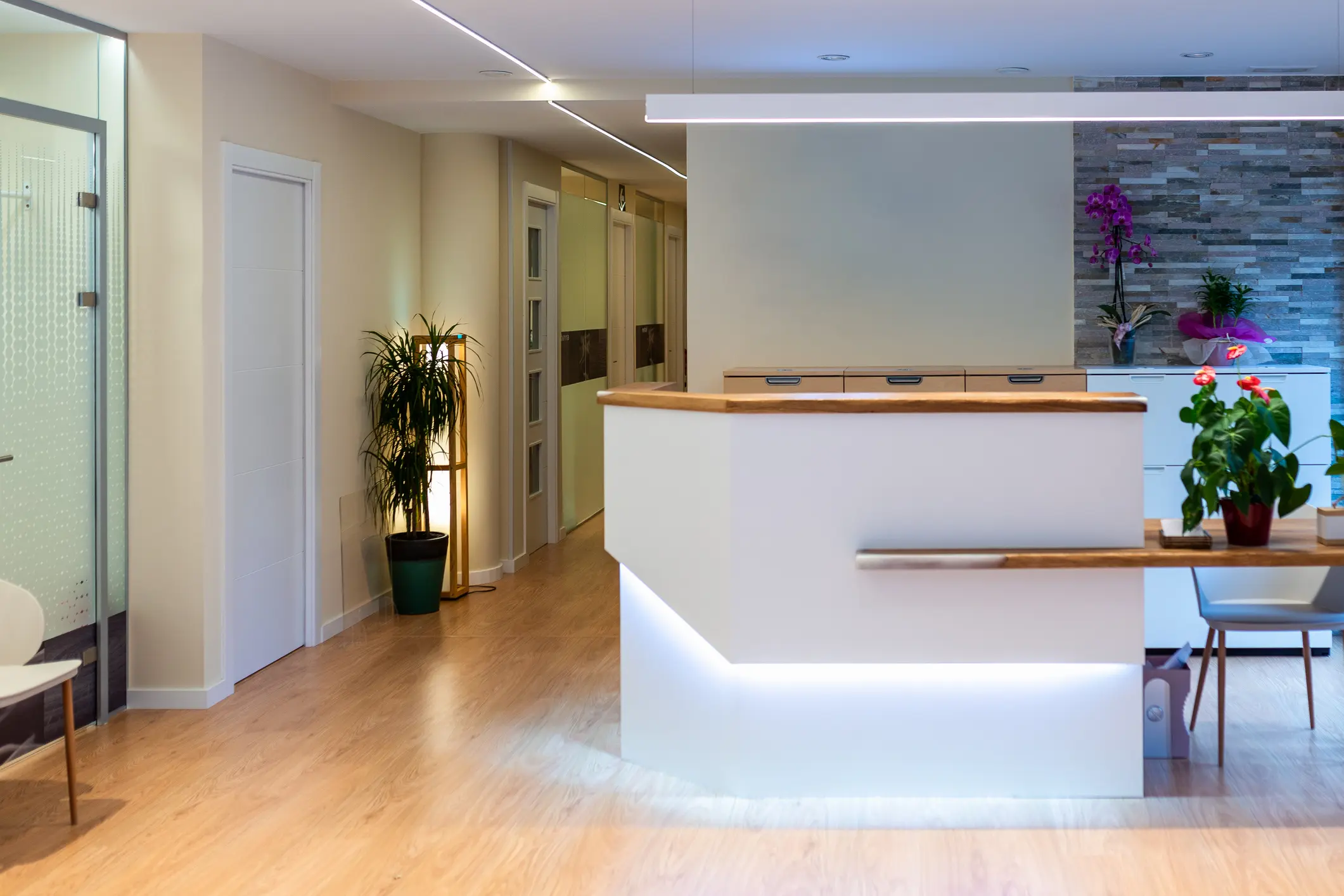
A medspa may feel more like a luxury spa than a health center, but behind the scenes, it works like a clinic. Operators have to coordinate licensed providers, treatment-specific appointment timing, and strict regulation requirements, all while competing in a fast-growing market. Those added demands call for medical spa booking software solutions that can handle a wide variety of precise workflows.
In this guide, we’ll examine how medspa booking software differs from standard scheduling tools and how the right platform can support your revenue and retention efforts.
What Makes Medspa Booking Software Different
Medspa booking software is a kind of scheduling software built around the clinical and operational demands of a medical spa. Unlike a standard calendar app, it accounts for provider requirements, specialized treatments, and the resources needed to perform them.
For managers comparing platforms, the real question is whether a feature is nice to have or non-negotiable. Let’s start with the core functions.
HIPAA Compliance
A medspa booking platform needs to protect sensitive client information from the moment someone books their first appointment. That means the platform should include secure patient communication channels and encrypted storage (with regular back-ups) that meet legally regulated privacy standards under HIPAA.
For instance, HIPAA regulations say that appointment reminders can be sent electronically, but messages containing protected health information (PHI) need appropriate safeguards to prevent unauthorized disclosure, like signed client intake forms tied to the patient record. A strong medspa management platform will take care of both.
That doesn’t mean every medical spa needs a traditional electronic medical record (EMR). EMRs prioritize portable, in-depth medical records across different clinicians and care settings. Adopting that kind of platform often makes more sense for hospitals and clinics than medspas. HIPAA-compliant medspa software puts practice management first, with EMR software-style aesthetic records built in.
Multi-Step Treatment Coordination
A medspa appointment doesn’t always look like a standalone treatment from one provider in one room. Some services unfold over several visits, while others may be stacked into a single appointment, such as dermal fillers followed by laser treatment, from different providers.
That complexity means there’s more to coordinate than a generic calendar app can handle. Medspa scheduling software accounts for timing, treatment order, and room turnover so staff aren’t building the schedule out by hand (or causing delays when there isn’t enough time to clean between procedures).
Software built for the medspa experience
Clients expect a personalized, luxurious experience — generic charting tools aren’t built to support that. Boulevard’s HIPAA-aware med spa software centralizes charting, intake forms, and e-prescriptions with scheduling and payments in one platform.
5 Essential Features to Look for in Medspa Scheduling Software
Once you cover the basics for every medspa, consider how well a medspa software’s features handle the daily realities of your specific business. Focus on ones that make it easier to book while giving your team tighter control over schedules and finances.
1. 24/7 Scheduling
Clients ready to book don’t always want to wait until business hours. If your booking flow asks them to call back later, they might choose a competitor with instant self-scheduling instead.
Booking convenience shapes the brand experience, too. A booking process that feels outdated and unnecessarily difficult can undermine a medical spa’s high-touch, luxury reputation that they’ve worked hard to build. 24/7 self-scheduling and AI appointment booking gives clients ready to convert a simple way to act on their interest while their intent is strong.
2. Online Booking and Client Portals
If online booking is convenient for clients but creates more work for staff, the system only solves half the problem. Scheduling changes should cleanly and automatically update behind the scenes so the front desk doesn’t have to correct conflicts or make routine appointment change requests manually.
Client portals take even more off your team’s plate by giving clients a simple spot to manage upcoming visits and payments on their own. When staff spends less time managing those tasks, they have more time to provide a thoughtful client experience.
3. Resource and Room Management
A typical medspa appointment needs to source more than just an available licensed provider. The right treatment room and equipment also need to be free at the same time, which can quickly complicate scheduling as the business scales.
Medspa booking software is designed to coordinate resources before confirming an appointment. This helps your team avoid overbooking and other scheduling conflicts that can go undetected in manually built calendars.
4. Service Optimization and Double-Booking
A manager’s business instinct might be to fill up the books, but a fuller calendar doesn’t automatically translate into better revenue potential. The right scheduling software takes existing resources and gaps into account, so appointment blocks match the day’s capacity.
Automated schedule optimization opens up more bookable time while reducing the risk of double booking that comes from managing complicated appointments manually.
5. Integrated Reporting and Financial Tracking
Every appointment generates valuable data. Any medical spa management software worth the investment should be able to collect and analyze that information for you.
Booking software should include or integrate with programs that offer custom reports. That way, managers can compare things like how much revenue a specific provider or injectables service generates and how close they are to making a monthly revenue goal. Using all the data from a given appointment gives the calendar real business context, so managers can see what drives growth and adjust their strategies accordingly.
How the Right Booking Software Supports Your Team and Revenue
Good medspa software can help a strong team work together even better. It gives managers clearer visibility into performance goals while making the systems behind them easier to work with.
Transparency Through Shared Data
A goal is a lot easier to rally around when the whole team can see how close they are to hitting it. Medspa management software with custom reports gives managers something concrete to bring into team conversations, whether they’re tracking revenue targets or trying to understand why team performance changed from one month to the next.
Transparency can make a medspa’s culture more appealing to potential hires and give good staff reason to stay. A great team member is hard to replace, and every departure takes valuable organizational knowledge with them. When employees understand the goals behind the work and can see how their contributions make real impacts to clients and the business, they have more reason to invest in their efforts.
Compensation, Upselling, and Membership Tools
A medspa team might include employees and independent providers working under different compensation models. Commissions, performance bonuses, and revenue-sharing arrangements further complicate payroll. A strong booking platform keeps those calculations aligned with the right service and provider for more accurate pay calculations down the road.
The same financial tools should also support the revenue strategies that make a medspa more resilient to market shifts. Connecting a client’s booking history with sales data can surface relevant upsell opportunities, while memberships and packages give teams extra revenue streams and more predictable profits.
Staff Training and Compliance Workflows
Medspa staff have to receive HIPAA training before handling client information and completing medically relevant patient services. Strong compliance workflows, including digital consent forms and encrypted PHI, give staff a clearer way to put their training into practice.
When the right steps are built into HIPAA-compliant medspa software, employees are more likely to handle client information consistently. That consistency also makes onboarding easier and gives managers more confidence that HIPAA compliance standards stay in place as roles change and teams expand.
How to Evaluate Medspa Booking Software for Your Practice
Once you have a shortlist of medical spa software options, the next step is to compare each platform against your medspa’s practical daily needs.
If you can, try to sit in on or watch a demo: It’s a great opportunity to walk through real booking scenarios, reporting needs, and team workflows before making a decision.
Questions to Ask Before You Commit
A short list of focused questions can help you cover the essentials and compare platforms more clearly while you scroll through a website or a salesperson talks about all of their platform’s strengths. You might ask:
Does it meet HIPAA compliance requirements for encryption, backups, and secure patient communication?
Can it handle multi-step treatment scheduling and resource coordination?
Can it connect scheduling with POS data, memberships, and upselling opportunities?
Is the software cloud-based and mobile-friendly for both staff and clients?
Does it support varied compensation models, including commissions and provider-specific pay structures?
Can managers build reporting fields specific to their medspa?
Does inventory management connect treatments with the products or supplies it consumes?
Can automated reminders, marketing tools, and other patient communications support client retention without adding extra work?
Does it connect with your CRM to keep client history accessible for loyalty programs and personalized patient communication?
Can the platform keep scheduling, reporting, and client information connected across multi-location medspas?
Signs Your Current System Is Holding You Back
The software might get the job done while still creating redundancies for staff and missed opportunities for the business. This quick checklist can make it easier to tell when it’s time to upgrade:
Scheduling and compliance documentation live in separate systems.
Marketing tools and booking data aren’t connected.
Most appointments are made through phone calls, email, and in-person post-service bookings.
Inventory changes are tracked manually.
Managers can’t generate medspa-specific financial reports from the same booking and medspa management platform.
Team members are in a constant crunch to coordinate rooms and equipment for multi-step treatments.
Patient communication and appointment reminders happen outside the booking system.
Owners and operators have to piece together data for multi-location reports from several different sources.
If those points resonate with your daily struggles, consider whether your current platform still fits your medspa’s operational needs before adding another integration to your tech stack.
Connect Booking to Operations with Boulevard
Medspas need more from their booking software than traditional salons and spas. The platform has to keep up with clinical requirements and complex scheduling while giving teams the tools to deliver high-level service their clients expect.
The hard data is worth a look, too. Medspa managers that switch to Boulevard report an average 28% more online bookings and 24% more service sales after about 90 days. Membership sales increase 175% on average, while overall revenue rises 30%.
The criteria outlined in this guide can help you tell whether your system is still the best fit for your medspa’s daily operations and long-term growth goals. Take a serious look at your current platform, then schedule a demo with Boulevard to see how our medical spa appointment software can support your team.
FAQ
What’s Medspa Booking Software?
Medspa booking software combines scheduling and operation management tools that meet HIPAA compliance and regulatory needs. It streamlines appointment booking while also managing the day-to-day workflows that keep the practice running.
Generic salon software doesn't support that level of complexity. EMR software and other traditional healthcare tools also typically lack the client experience and practice management features medspas rely on.
How Is Medspa Booking Software Different From Salon Scheduling Tools?
Medspa booking software has to work under HIPAA regulatory requirements. That looks like supporting HIPAA-specific compliance requirements, secure patient communications, and multi-step treatments across several providers and resources. Room and equipment availability are also critical parts of medspa scheduling. Salon apps are just not built for that kind of complexity.
What HIPAA Requirements Should Medspa Booking Software Meet?
Managers should check that a platform can provide encrypted data storage, encrypted backups, and role-based access to make sure it meets HIPAA requirements. The platform should also keep audit logs, so it’s clear who accessed protected information and why, and provide secure channels for patient communication. Software vendors also need to provide a signed business associate agreement (BAA), a contract that ensures safe handling of patient data with third parties.
How Can Booking Software Help Increase Medspa Revenue?
There are lots of ways. First, medspa booking software should simplify workflows by automating repetitive booking tasks, which gives staff more time to work that generates revenue and maintains strong client relationships.
It can also influence revenue more directly. Automated reminders help reduce no-shows, while memberships and packages create more consistent revenue from existing clients. Reporting and analytic features can reveal where your best revenue opportunities lie, and integrated marketing tools can act on those insights with more relevant segmented campaigns and upsell offers.
How Does Boulevard Support Medspa Booking and Scheduling?
Boulevard combines self-booking with Precision Scheduling™, which recommends appointment times based on duration, provider availability, and even profitability. Its client portal gives clients more control over their appointments, while nimble resource scheduling coordinates rooms and equipment to avoid double-bookings. Boulevard also connects that activity with reporting tools through a HIPAA-aware platform.
What Should Medspa Managers Look at When Switching to Boulevard?
Start with fit. Boulevard supports HIPAA-aware data needs and multi-step scheduling without forcing manual workarounds, so compare those workflows against your current system. From there, evaluate how memberships, marketing tools, and analytics help fine-tune today’s workflows and build towards tomorrow’s long-term goals. You can work through all these questions with a free demo with Boulevard agents who will continue providing support through onboarding and launch.

Shanalie Wijesinghe
Content Strategy Director
Shanalie Wijesinghe is the Content Strategy Director at Boulevard. She lends her industry and platform expertise to both in-house staff and partner salons and spas. A salon industry veteran with more than 15 years of experience working for high-end luxury salons such as Sally Hershberger and BENJAMIN, Shanalie was previously Director of Education for Boulevard and blends her knowledge of the beauty and technology industries to help put the company’s partners and employees on the path to success. A Bay Area native and first-generation immigrant, Shanalie is a graduate of the Paul Mitchell School specializing in cosmetology, styling, and nail instruction.
Related Posts

What Are the Biggest Self-Care Trends Right Now?

Salon CRM Software: Top Tools for Managing Clients and Growing Revenue
__A_Guide_to_Spa_Management.png&w=3840&q=75)
How to Run a Spa (Without Running Yourself Ragged)

Five Secrets to Running a Medspa: A Manager’s Guide to Success
.png&w=3840&q=75)
The Art of Charting: A Streamlined Approach to Charts & Forms

How to Create a Monthly Spa Membership Program That Drives Revenue

Future-Proofing Your Salon: Trends, Tech, and Tactics to Grow in 2026
-1.jpg&w=3840&q=75)
Salon Membership Software: Building a Program That Boosts Retention

How to Increase Salon Revenue: 4 Strategies to Use All Year Long
Sign up for weekly blog updates.