Medspa • Boulevard
Pros and Cons of Laser Hair Removal: A Guide for Professionals
Pros and Cons of Laser Hair Removal: A Guide for Professionals
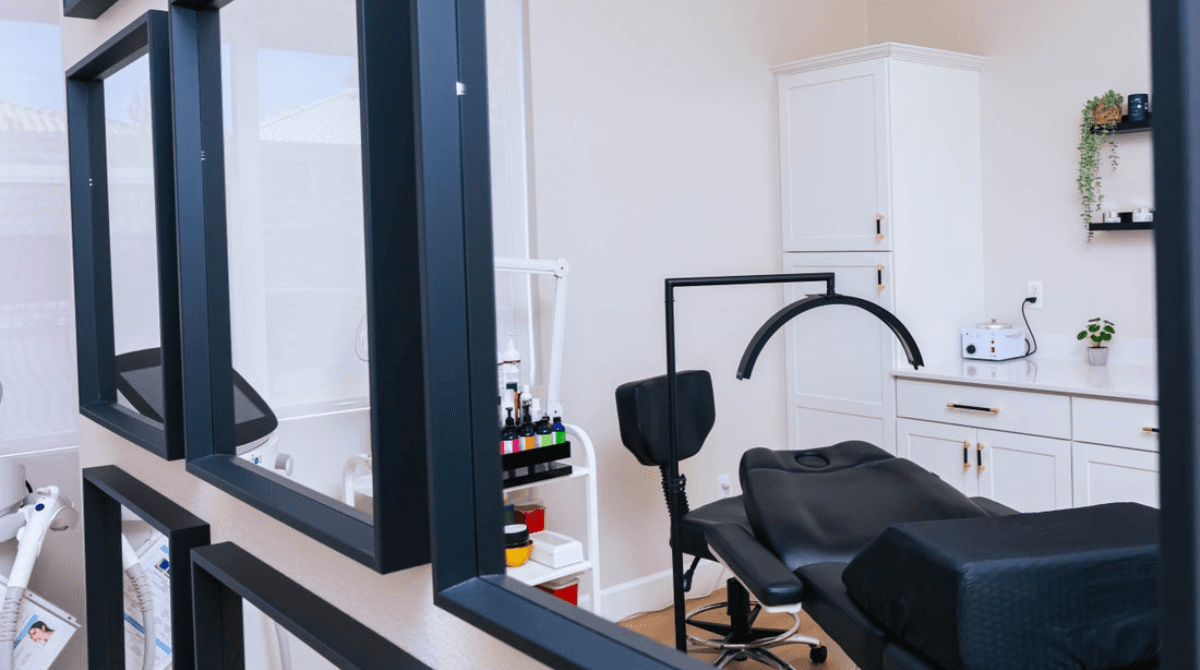
Adding More to Your Medspa With Laser Hair Removal: Pros and Cons
Laser hair removal is one of the most consistently requested treatments in spas. For clients who are tired of regular waxing, sugaring, or shaving, something that promises to get rid of hair long-term sounds like a great alternative.
Most information about laser hair removal online explains the service to those potential clients. For beauty and wellness professionals, that’s helpful context, but it’s less useful if you’re thinking strategically about adding laser services to your spa’s list of offerings.
In this guide, we’ll break down the business side of laser hair removal for a more complete picture. We’ll look at the pros and cons of hair laser removal, how it works, and what you should evaluate before adding laser treatments to your medspa’s service menu.
How Does Laser Hair Removal Work?
Laser hair removal, sometimes referred to as laser epilation treatment, is a non-invasive procedure that uses concentrated light to target pigment in a hair follicle. The laser emits heat that’s absorbed by the hair’s melanin, and that heat damages the follicle enough to disrupt its ability to regrow.
Hair grows in cycles, and laser removal is most effective during the active growth phase (anagen). Not every hair is in the same stage at the same time, so patients have to attend several sessions for consistent hair reduction. These treatments are typically spaced out four to six weeks apart to target new hairs as they enter the growth phase.
How Long Does Laser Hair Removal Last?
Laser hair removal doesn’t completely and permanently remove hair. Most clients report a significant reduction in hair density and thickness after a full set of treatments, but hair can regrow over time depending on their hair type and body part treated.
Likewise, hormones impact the number of total sessions: High levels of testosterone and other androgens thicken hair, so anyone who’s had a testosterone-dominant hormone profile (like men and trans women) will need more sessions.
3 Types of Hair Reduction Laser Treatments
Skin tone, hair type, and treatment areas all change which laser technology is most effective. Here are three common lasers to consider:
Alexandrite: This laser produces fast, high-intensity pulses that work best for fine hair and light skin tones. It’s more likely to change pigmentation than other kinds of lasers, so it’s also used to remove age spots and freckles.
Diode: Another quick, high-intensity treatment, diode lasers are effective across a broad range of skin tones because of their deep skin penetration. It’s an effective treatment for coarse facial and body hair.
Nd:YAG: While this is an effective laser hair removal option for all skin tones, it’s ideal for darker skin tones because the laser skips past surface melanin and goes directly to pigment inside the hair follicle. Its strength also makes it an effective choice for coarse, thick hair.
Software built for the medspa experience
Clients expect a personalized, luxurious experience — generic charting tools aren’t built to support that. Boulevard’s HIPAA-aware med spa software centralizes charting, intake forms, and e-prescriptions with scheduling and payments in one platform.
Pros and Cons of Laser Hair Removal
Laser hair removal might be a quick and non-invasive process, but your clients will still have questions when they’re deciding if it’s right for them. Here are some talking points to go over during an initial consultation.
Pros of Laser Hair Removal
Whether a client gets laser hair removal often comes down to long-term results and convenience. Here are a few benefits your team should reinforce during consultations:
Long-term hair removal: Laser hair removal substantially decreases hair growth after a full treatment, which means they can go longer between hair removal sessions (no matter their go-to method).
Reduced ingrown hairs: By targeting the hair follicle with heat, laser hair removal destroys the root. This reduces regrowth and makes it one of the most effective ways to treat ingrown hairs.
Precision targeting: Devices selectively target pigment in the hair follicle without damaging the surrounding skin for precise hair removal in specific treatment areas.
Speed: Every pulse fires at multiple hair follicles at once for quick, effective treatments.
Cons of Laser Hair Removal
Setting clear client expectations upfront can help you both avoid frustration later on. These are the downsides of laser hair removal clients should understand before booking a treatment package:
Requires multiple sessions: Hair grows in different phases, and lasers only work on follicles that are actively growing. Clients need multiple treatments over several months to effectively remove all the hair in a given area.
Less effective on light hair: Treatments target pigment, which means many laser treatments aren’t as effective on blonde, gray, and white hairs.
Not fully permanent: While results are long-lasting, new hair growth can appear at any point. Yearly or twice-yearly maintenance sessions may be necessary, depending on the treatment area and a patient’s individual hormone levels.
Temporary irritation: Patients can experience minor pains, as well as temporary redness and swelling, after treatment.
Is Laser Hair Removal Safe? Risks and Side Effects
When it’s performed by trained licensed professionals using FDA-approved devices, laser hair removal is safe and effective. But selecting the right device for a client’s skin type and ensuring staff is trained to deliver safe, consistent treatment is critical.
What Are the Risks of Laser Hair Removal?
The side effects of laser hair removal are generally mild and temporary. Common risks include:
Redness and swelling: A lot of clients report experiencing temporary redness and swelling around hair follicles, which typically subsides within a few hours.
Temporary discomfort: How painful laser hair removal is depends on the treatment area and each patient's pain tolerance. The feeling’s typically described as a brief sting or like a rubber band snapped against the skin.
Blisters: Blistering is a rare side effect that often comes from poor device calibration or a laser device mismatch for the client’s skin type.
Hyperpigmentation or hypopigmentation: Darker skin tones may experience temporary hyperpigmentation (dark spots) or hypopigmentation (light spots). It can take several weeks or months for discoloration to subside.
Scarring: Very rarely, patients with sensitive skin can get burns and scars from laser hair removal. These kinds of burns are often caused by improper device calibration or inexperienced professionals.
Does Laser Hair Removal Work on All Skin Tones?
Yes. Laser hair removal can get rid of hair on a wide range of skin tones. Modern devices, particularly Nd:YAG lasers, are designed to protect darker skin tones from scarring, burns, and hypo- and hyperpigmentation. They use longer wavelengths that avoid surface pigments and target the hair follicle with extreme precision.
Even with the best technology, results boil down to how well providers choose the right devices and calibrate them. Darker skin tones need more precise settings and the right wavelength selection to reduce the risk of skin damage. Proper team training and a thoughtful consultation process make a safe, effective treatment possible.
Can You Do Laser Hair Removal at Home?
Some clients may come into a consultation wondering why they should pay for an expensive treatment package. At-home laser hair removal devices exist, and your team should be able to explain how professional treatments differ.
Most at-home laser hair removal tools use intense pulsed light (IPL), a broad-spectrum light that isn’t really a laser. Its lower energy level makes it safer for unsupervised treatments without training, but IPL tools can be less precise—meaning more regular maintenance sessions to keep the hair at bay. As a result, at-home DIY techniques tend to be less consistent and effective long-term than treatment from a certified professional.
Professional laser systems operate at higher, carefully targeted wavelengths and are calibrated for the client’s individual skin type and hair characteristics. These devices use more energy for precise follicle targeting, and the trained professionals who run each appointment set your spa’s practice apart from at-home treatments.
What Spas Should Consider Before Adding Laser Hair Removal
Understanding how laser hair removal works—and what your clients expect from it—can help you figure out if laser hair removal is right for your medspa. But how might it change your day-to-day operations?
Here are the demands that introducing laser treatments can add to your business.
Equipment Investment and Maintenance
Medical-grade devices cost tens of thousands of dollars upfront, plus additional monthly or annual service contracts to keep them properly calibrated. On top of that, you’ll need to budget for staff training and certifications, and even medspa shows to stay up-to-date with new trends in aesthetic care experiences.
Regulatory and Medical Oversight Requirements
Depending on your region, laser hair removal may require supervision during consultation and treatment from a licensed medical professional. Local regulations impact who you can hire, how protocols are written, and how patient records are managed.
Managing Multi-Session Treatment Plans
Most clients will need six to eight sessions spaced four to six weeks apart, which means managing client relationships for months. This requires an effective software system that can track treatment progress, store consultation details, and rebook clients at the right time. If you have a growing tech stack that’d be overwhelmed by yet another software, replacing it with an all-in-one spa solution like Boulevard can help you consolidate all your documentation and scheduling needs.
Revenue Potential and Client Retention
Laser hair removal is typically sold as a package, bringing in more revenue up front and committing clients to multiple visits. This cadence gives you a natural way to build a long-term relationship and upsell memberships and other services that keep clients coming back. For example, you can pair hair removal with skin treatments like facials or chemical peels in spots where clients also care about their skin tone and texture.
Support Laser Treatment Operations with Boulevard
Buying the right equipment and hiring the right technicians isn’t all you need to start offering laser hair removal services. Successful treatment plans need the support of an efficient booking, client communication, and payment system.
Boulevard helps medspas keep complex treatment operations connected. Every part of your operation stays in sync, from marketing your new service and online consultation booking to card-on-file payment processing and deposits that make treatment accessible, so your providers can keep tabs on progress and your clients keep coming back.
See how Boulevard supports laser services from consultation to completion.

Shanalie Wijesinghe
Content Strategy Director
Shanalie Wijesinghe is the Content Strategy Director at Boulevard. She lends her industry and platform expertise to both in-house staff and partner salons and spas. A salon industry veteran with more than 15 years of experience working for high-end luxury salons such as Sally Hershberger and BENJAMIN, Shanalie was previously Director of Education for Boulevard and blends her knowledge of the beauty and technology industries to help put the company’s partners and employees on the path to success. A Bay Area native and first-generation immigrant, Shanalie is a graduate of the Paul Mitchell School specializing in cosmetology, styling, and nail instruction.
Related Posts

3 Popular Beauty Treatments for Men
From laser hair treatment to relaxing pedicures, spas can offer many services that benefit men’s health.
Read Article
The 4 Most Popular Medical Spa Services (and How to Nail the Consultation)
We dive into today’s four most popular medical spa services and relay tips to nail the client consultation for each treatment.
Read Article
Medical Spas vs. Day Spas: A Business Model Breakdown
Learn the differences between medical spas versus day spas. Compare services, staffing, and oversight needs to choose the right model for your business.
Read Article
7 Next-Gen Spa Gadgets to Stretch Out the Spa Experience
These high-tech products will add value to your customers’ spa experience, boost profits, and help you increase future bookings.
Read Article
The More You Know: 6 Tech Innovations to Make Your Spa Healthier
These 6 innovative spa trends, including red light therapy and ultherapy, are hot and ready to make your spa some money.
Read Article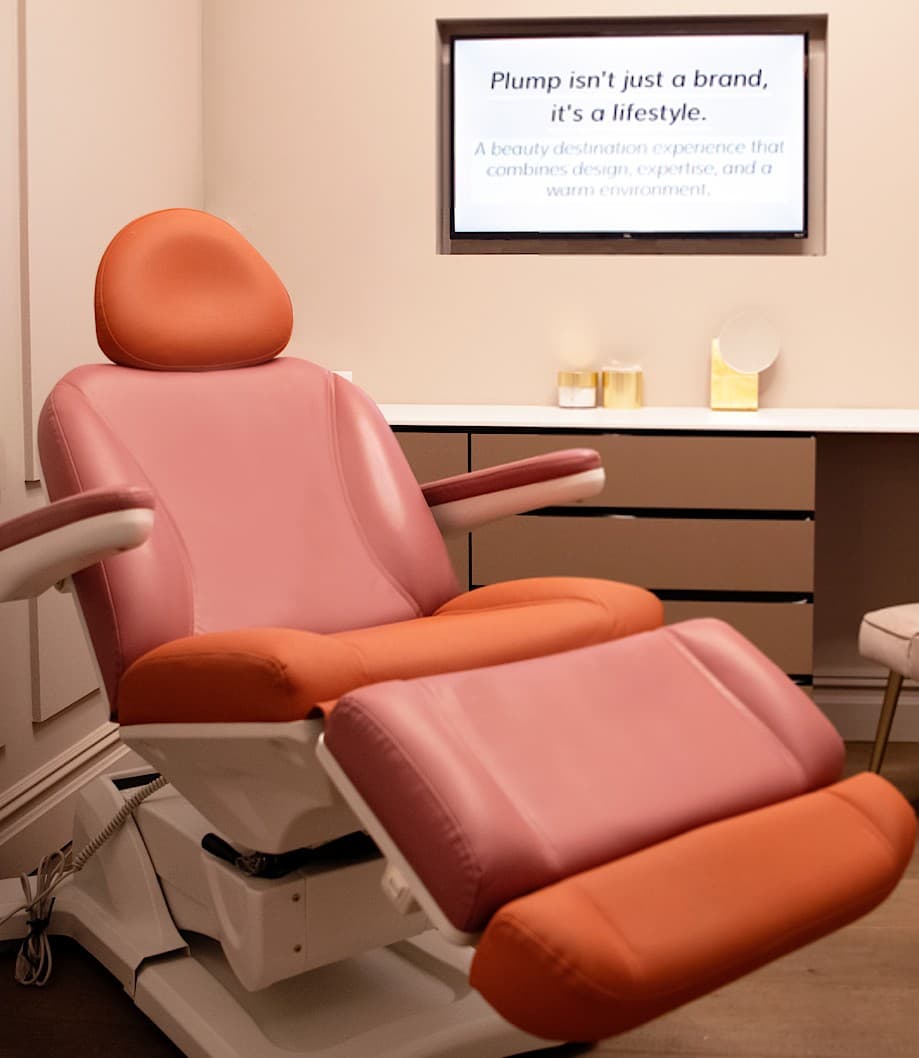
Boulevard Spotlight: Plump
Plump is a bespoke boutique that wants injectables to be as approachable and accessible as any other med spa treatment.
Read Article
Freaky Friday: Counting Down 5 Surprising Beauty Superstitions
2023 is going to get very superstitious — the writing’s on the wall. Read our guide to the superstitions your salon should watch out for.
Read Article
How to Drive Medspa Revenue With Microcurrent Facial Device Treatments
Here’s what medspa owners need to know about microcurrent facial devices, from equipment selection and pricing to packaging for recurring revenue.
Read Article
Here's How to Rock Green Hair This Saint Patrick's Day
Green is a surprisingly versatile hair color — you can channel your inner mermaid, go full punk rock, or add a subtle effect to your natural color. Here’s how to make it work.
Read ArticleSign up for weekly blog updates.