Medspa • Boulevard
Medical Spas vs. Day Spas: A Business Model Breakdown
Medical Spas vs. Day Spas: A Business Model Breakdown
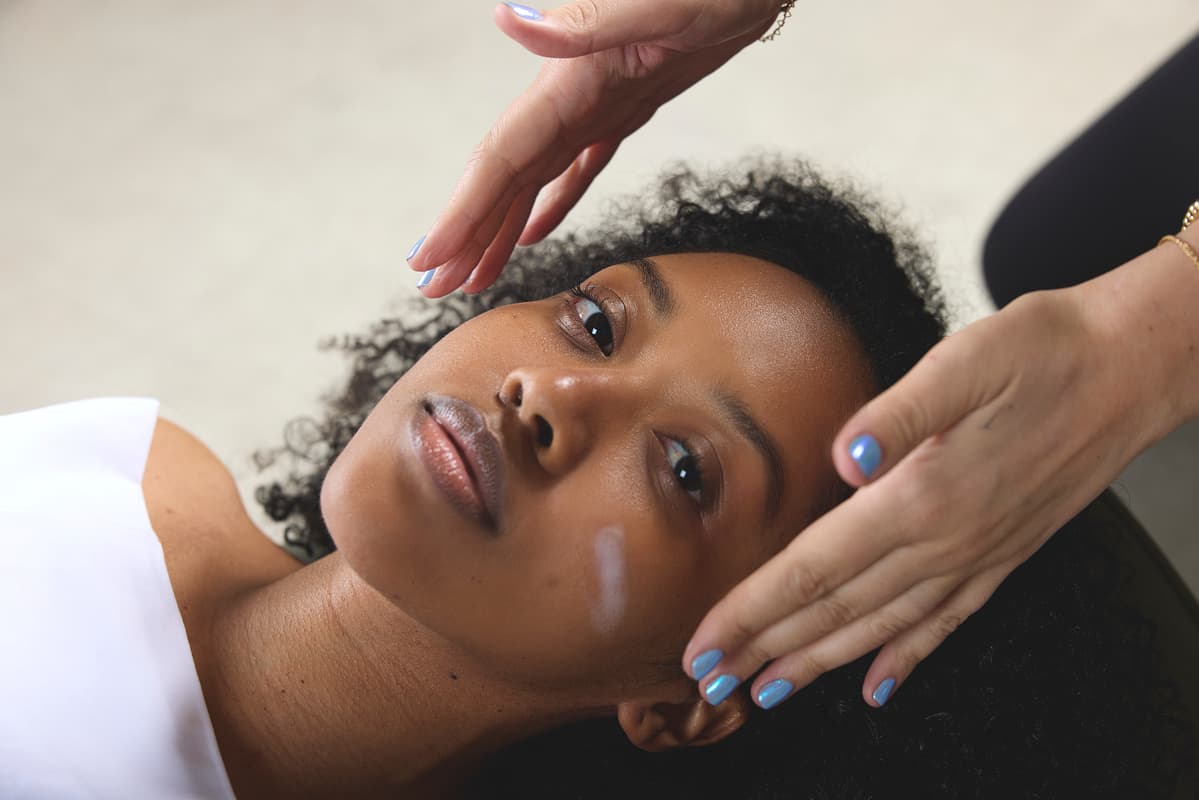
Medical Spa vs. Day Spa: Key Differences and Choosing the Right Model
Medical spas and day spas are often bundled like a mani-pedi—similar at a glance, but not quite the same experience. Both business types fit within the broader wellness and beauty industry, but they serve different purposes.
While medical spas lean into aesthetics, day spas center on personal care and relaxation. For operators, understanding where your business stands and what people expect from it shapes how you build workflows, position your brand, and connect with clients.
In this guide, we’ll break down the distinctions between a medical spa versus a day spa and look closely at the services each model offers.
What’s a Medical Spa?
A medical spa, often referred to as a medspa, combines the look and feel of a traditional spa with more clinical, results-driven treatments. The service menu is built around precise, medical-grade aesthetics, including injectables, laser treatments, and advanced skincare procedures.
Medspas operate under licensed medical oversight or supervision, which varies by local and state regulations. Treatments tend to be more intensive than in traditional spas, and often deliver visible, measurable outcomes. For medspa owners, that means building a team of qualified providers, setting consistent protocols, and managing the added risk and downtime tied to these service offerings.
Software built for the medspa experience
Clients expect a personalized, luxurious experience — generic charting tools aren’t built to support that. Boulevard’s HIPAA-aware med spa software centralizes charting, intake forms, and e-prescriptions with scheduling and payments in one platform.
What Do Medical Spas Offer?
So, exactly what does a medspa do? Each business has its own focus, but these services are common and in high demand.
Injectables
Botox and dermal fillers are commonly used to smooth fine wrinkles, restore volume, and enhance facial contours. Licensed medical professionals receive specialized certifications to learn how to administer proper dosages and adhere to local regulations.
Laser and Light-Based Treatments
These treatments use focused energy to treat hyperpigmentation, acne scars, and unwanted hair. They rely on specialized devices and require trained operators who understand skin types and safety protocols to avoid damage.
Chemical Peels
A chemical peel is a controlled exfoliation that targets the skin’s top layers. Providers recommend chemical peels to support regeneration, revealing refreshed skin while also treating common conditions like acne and fine wrinkles. While superficial peels are typically performed by estheticians, deeper peels often require oversight from medical professionals with advanced training in skin anatomy and contraindications.
Microneedling
This minimally invasive procedure uses fine needles to create micro-injuries to the skin, stimulating collagen to improve texture and firmness and reduce the appearance of scars, wrinkles, or sun damage. Dermatologists and trained medical professionals perform or oversee microneedling to ensure proper sanitation and injection depth.
Microdermabrasion
Microdermabrasion is another exfoliation treatment meant to improve skin texture and tone. But unlike chemical peels, this procedure uses a device to physically buff away dead cells on the outer surface of the skin. Microdermabrasions are typically performed by medical aestheticians and dermatologists who learn how to evaluate skin and control infection risks.
Body Contouring
Body contouring, also called body sculpting, focuses on reshaping specific areas by targeting stubborn fat and improving skin firmness. Medspas offer non-invasive medical treatments that use technologies like cryolipolysis (fat freezing) and radiofrequency (skin tightening) and are performed by trained medical physicians, nurse practitioners, or licensed aestheticians.
Skin Tightening
Tightening treatments firm the skin and improve elasticity by stimulating collagen production. Medspas use non-invasive procedures like radiofrequency, ultrasound, and injectables to target the face, abdomen, thighs, and upper arms. This procedure is commonly recommended to reverse early signs of aging for patients seeking alternatives to intensive facelifts and tummy tucks.
Medical-Grade Skincare
Medical-grade skincare uses products formulated with high concentrations of active ingredients, including peptides and retinoids. Dermatologists formulate medical-grade skincare products to target specific conditions, such as hyperpigmentation or sun damage.
What’s a Day Spa?
Clients book wellness treatments at day spas for well-needed pampering and self-care. Day spas offer service menus designed to deliver short-term results in relaxed, restorative environments. Most of these spas are staffed by licensed but non-medical practitioners, such as estheticians and massage therapists, who operate without medical supervision.
What Do Day Spas Offer?
Day spas provide treatments designed to maintain appearance and create a relaxing, feel-good experience. Menus tend to revolve around repeatable services that are easy to combine and tailor for each client.
Massages
Massages are a core offering at most day spas, used to relieve tension and give clients a bit of pampering. Services can range from light, relaxing massages to deeper, more targeted treatments. Licensed massage therapists may specialize in specific techniques, including lymphatic drainage, prenatal massage, or Shiatsu.
Aromatherapy and Other Holistic Treatments
Aromatherapy, hot stone therapy, and acupuncture are often paired with massage therapy to offer a more comprehensive approach to health and deep relaxation. These therapies are performed by licensed practitioners to reduce pain and promote better circulation. Clients expect a relaxing, private ambiance, so spas use lighting, scent, and sound to carefully curate the experience.
Reflexology
Reflexology uses targeted pressure on specific points on the body, which some believe are connected to specific organs and body systems. Many massage therapists and acupuncturists become certified reflexologists to complement standard techniques, and day spas often offer reflexology as an add-on to massage treatments or pedicures.
Basic Facials
Classic, European, hydrating—there are plenty of names for basic facials, but the value is often the same. Facials cleanse, exfoliate, and/or soothe the skin’s foundation, with product choice and treatment focus varying depending on each client’s needs. Operators typically build their facial menus as flexible service templates, so they can easily adjust steps and add-ons without changing the core appointment flow.
Manicures and Pedicures
Manicures and pedicures center on nail shaping, cuticle care, and styling. These services are typically performed by cosmetologists who offer varied finishes and treatments, and are often combined with other menu items like exfoliation and paraffin treatments.
Body Scrubs and Wraps
Body scrubs exfoliate the skin using abrasive materials to eliminate dead cells, while wraps apply nourishing ingredients and cocoon the body in blankets for deep hydration. These treatments require more time and cleanup than standard skincare, so they’re often positioned as premium services.
Waxing and Hair Removal
Waxing, threading, and sugaring are fast, repeatable services that remove unwanted body hair. These services rely on clean, efficient room turnover and a strong focus on hygiene protocols to keep appointments speedy, safe, and consistent.
Lash Lifts and Brow Lamination
These semi-permanent, non-invasive aesthetic procedures use chemical solutions to encourage fuller and more defined eyelashes and eyebrows. Lash lifts and brow lamination are ideal for clients who want a natural look rather than artificial extensions, plus easier daily grooming. Results often last one to two months, supporting consistent bookings.
6 Key Differences Between Medspas and Day Spas
The best medical spas and day spas all exist within the luxury wellness world, but let’s hone in on the most important distinctions.
1. Oversight and Supervision Requirements
Medspas operate under professional medical oversight, which dictates approval, care, and documentation procedures. In some ways, these businesses operate like traditional medical providers, following strict local regulations and federal HIPAA-compliant documentation policies. Day spas work with licensed, non-medical professionals and face fewer clinical governance requirements.
2. Services Offered and Depth of Treatment
Medspas build their service menus around medical aesthetic treatments that aren’t as invasive as surgical procedures, but still fall under measurable, results-driven care. Day spas center on less intensive, recurring services, such as skincare and grooming.
3. Treatment Goals and Expected Outcomes
Medspas go beneath the surface, using treatments like injectables and lasers to create deeper, more structural changes over time. Day spas focus on the surface—enhancing the skin’s appearance, supporting maintenance, and delivering that refreshed, polished look. Clients can benefit from both service categories to take their results to the next level.
4. Staff Credentials
Licensed medical providers, including physicians, nurse practitioners, and medical aestheticians, oversee and administer medspa treatments. Day spas mainly employ licensed estheticians and massage therapists, as well as other beauty professionals who are trained and certified in specific service areas.
5. Consultation Approach
Medspa consultations are more diagnostic and build custom treatment plans based on patients’ goals and medical histories. In day spas, consultations and services are usually performed on the same day, and the focus is on preferences and service selection.
6. Risks, Side Effects, and Downtime
Depending on the procedure, medspa treatments may involve recovery time and post-treatment side effects, such as redness or sensitivity. Day spa services are low-impact, with little required of clients beyond basic skin or hair care.
Streamline Operations Across Your Medspa or Day Spa With Boulevard
Medspas and dayspas focus on different services and treatment styles, but they share many of the same operational realities. Every type of spa relies on smooth scheduling, clear communication, robust service menus, and reliable tools to support premium client experiences.
Boulevard’s all-in-one system for medspas, day spas, salons, and other wellness businesses connect all those functions, which keeps your most important workflows moving with less friction. Admin stays organized and providers can focus on top-notch service, so clients feel pampered at every visit and motivated to return.
Learn how Boulevard can streamline your spa operations today.

Skya Jones
Sr. Medspa Education Manger
Skya Jones is an industry expert and consultant who serves as one of the in-house medspa experts at Boulevard. In this role, she collaborates closely with Boulevard’s team and their customers to help deliver exceptional, memorable client experiences. With nearly a decade of experience in the medical spa industry, Skya is deeply passionate about leadership and education, and is dedicated to empowering businesses to thrive. Prior to joining Boulevard, she successfully managed and provided consulting services to a range of medical spas and retail beauty businesses.
Related Posts
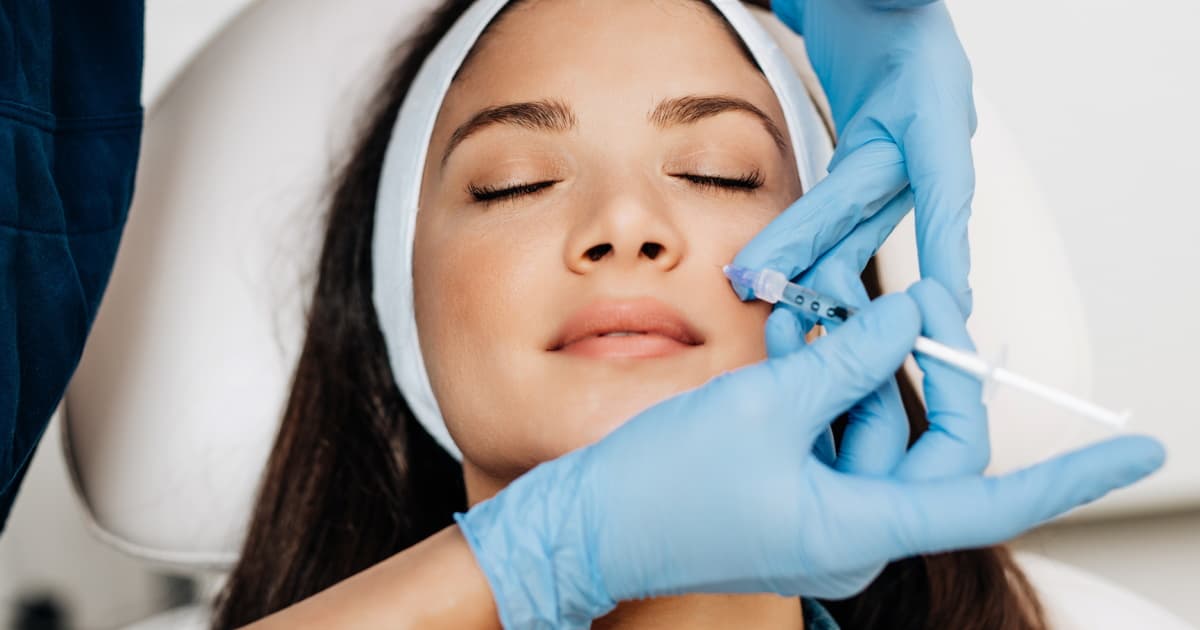
What Is an Aesthetician? Duties, Skills, and Where They Work
Do you know the difference between an aesthetician and an esthetician? It’s not a spelling mistake — learn who’s who in the world of beauty pros.
Read Article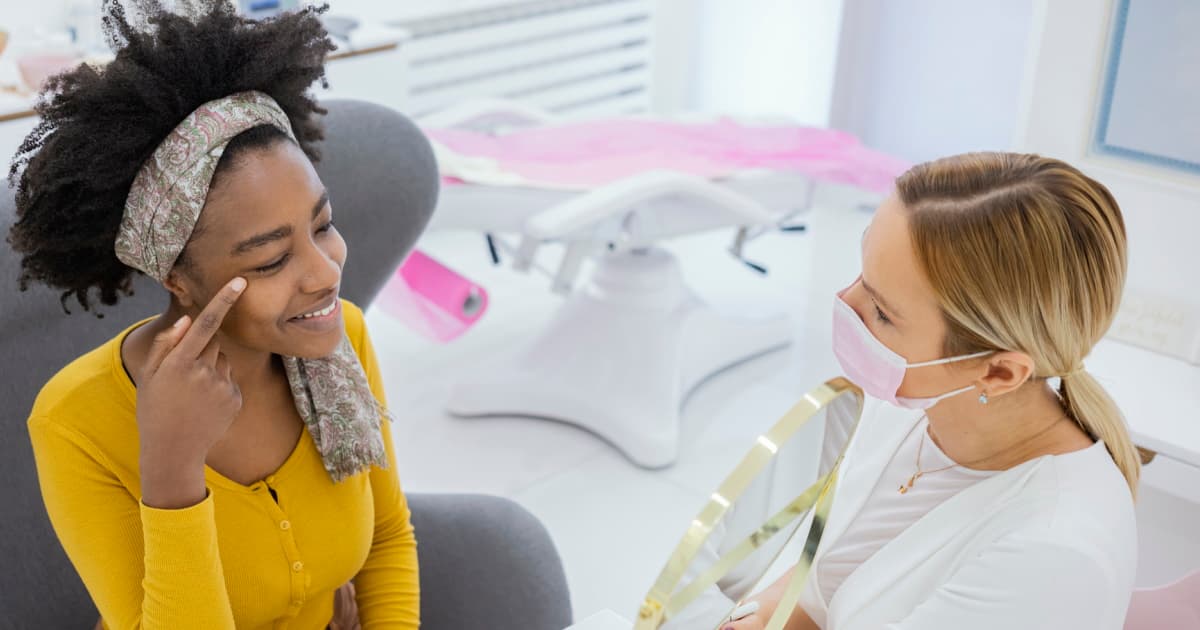
7 Essential Esthetician Services That Keep Clients Coming Back
The demand for esthetician services at spas is growing, and this guide will get you up to date with practical and popular treatments clients love.
Read Article
Aesthetician vs. Esthetician: What's the Difference?
Learn about the differences between aestheticians versus estheticians when it comes to training, roles, services, and ideal work environments.
Read Article
National Aesthetician Day Spotlight: 5 Customer Stories That Inspire
Ready to celebrate National Aesthetician Day on October 15? Discover 5 inspiring Boulevard customers transforming skin and building client confidence.
Read Article
Pros and Cons of Laser Hair Removal: A Guide for Professionals
Discover the pros and cons of laser hair removal, from safety to results, so your spa can evaluate if it fits your business before expanding your services.
Read Article
Everything Esthetician: The Complete Guide
Read this breakdown to understand what an esthetician does, and how they differ from other roles.
Read Article
3 Popular Beauty Treatments for Men
From laser hair treatment to relaxing pedicures, spas can offer many services that benefit men’s health.
Read Article
Medspa Treatments: What to Offer and How to Price Them
Boulevard breaks down the most popular medspa treatments, how to price them, and how to build a service menu that drives retention and revenue.
Read Article
Who Can Open a Medical Spa?
Learn who can open a medical spa, what license you need to open a medical spa, and how to build a compliant medical aesthetic business.
Read ArticleSign up for weekly blog updates.