Blog • Client Experience
Great Hair, Bad Vibes: Why 71% of Clients Say Technical Skill Isn’t Enough
Great Hair, Bad Vibes: Why 71% of Clients Say Technical Skill Isn’t Enough
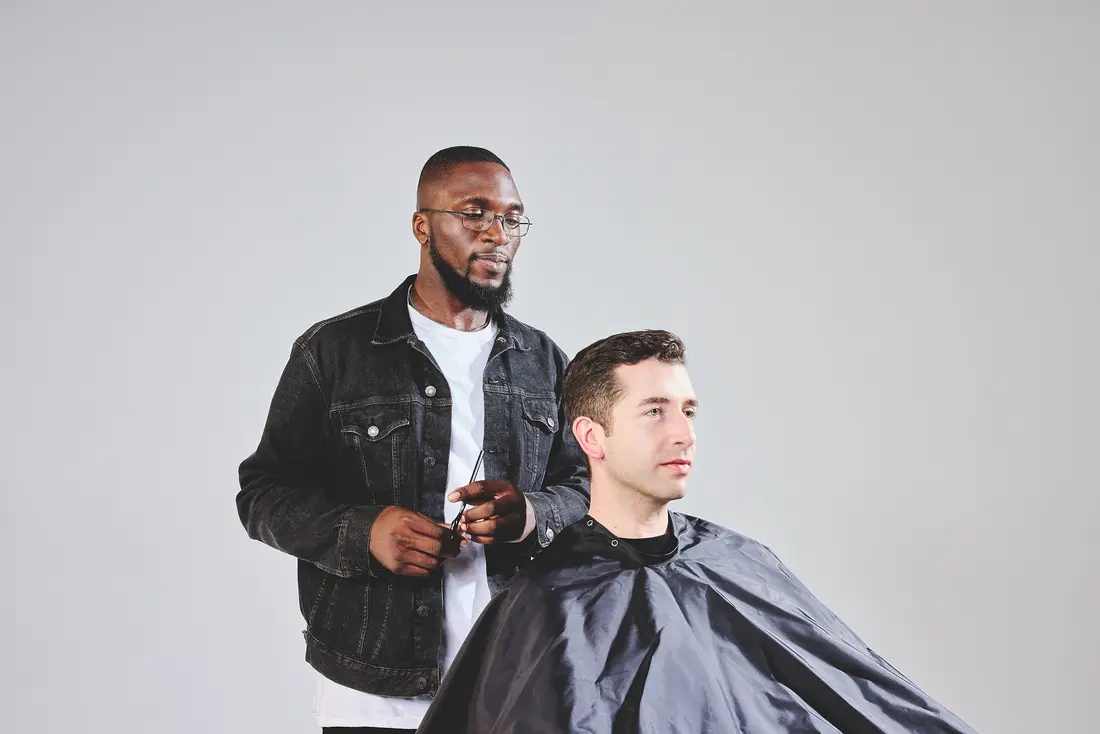
Clients in the self-care sphere want great results from their treatments, but they want respect from the staff even more.
If you’ve been in the self-care business for a while, then you and your staff are probably excellent at what you do. However, for more than two-thirds of your clients, that might not be enough to keep them coming back. To earn loyalty and grow your business, you’ll also need emotional intelligence.
As it turns out, there are two major dealbreakers for self-care clients: treatments that don’t get results, and staff members who don’t care. A flawless session won’t win a client over if they had to put up with rude comments or a dismissive attitude. Likewise, having the kindest staff in town won’t matter if you can’t deliver what your clients paid for. Turning first-time visitors into regulars takes a mix of expertise and heart. With a few handy tips and stats on your side, you can deliver both.

What Do Clients Want from Self-Care Businesses?
Boulevard recently published The Self-Care Client Report 2026: Uncovering What Truly Matters. We surveyed more than 2,000 self-care clients to learn how they find providers and what keeps them coming back.
One theme that came up again and again was client expectations. With people pouring more money than ever into health and wellness, effective treatments are now the bare minimum. Clients also want
Exceptional service
Personalized experiences
Rewarding memberships
Before we get into what clients really want, let’s cover what might drive them away:
Almost three-quarters (71%) of clients said “poor results” were a dealbreaker
The same number (71%) were unwilling to return to a business with “rude, dismissive staff”
Clients said that cleanliness, timeliness, and friendliness were non-negotiable in any self-care business
These numbers confirm what you probably already suspected: technical skill and a good attitude are equally important. If either one is lacking at your business, you potentially stand to lose more than 70% of first-time clients.
The good news is that most clients aren’t asking for anything out of the ordinary. A well-trained, properly licensed staff should have no problem delivering excellent results in every session. As far as friendliness, that’s a combination of:
Being polite
Listening to what clients want
Answering questions honestly (but tactfully!)
Your business should already be clean, since it would be a health hazard otherwise. You should also aim to run as close to “on-schedule” as possible, and communicate with clients if there are any big delays. If you manage multiple locations, each one should operate at the same high standards.
Basically, give clients what they paid for and treat them with respect, and they’re much more likely to come back a second time.
Booking that works the way clients expect
Today’s clients expect to book on their own time, from any device. Boulevard’s online booking makes it easy to see availability, choose services, and confirm appointments instantly, without a single phone call.
What Builds Client Loyalty in the Self-Care Industry?
Granted, there’s a difference between one or two successful self-care visits and true client loyalty. If you want clients to make your business part of their regular routines, you need to offer more than just good results and friendly service.
Two-thirds (66%) of clients said that remembering their preferences between visits builds long-term loyalty
Promotional texts and emails are fine — in moderation. 54% of clients prefer just one message per week
More than half (55%) of clients said that they expect memberships, add-ons, and retail products to be available
More than anything else, client loyalty comes down to being consistent and considerate. When you remember a client’s name and treatment preferences, they feel like a valued individual, not just another profile in your software system. Sending messages and offering add-ons means that you’re paying attention to what they want. Meanwhile, not spamming clients or trying to upsell them on everything means that you don’t take their business for granted.
Memberships can be a particularly effective way to build client loyalty while growing your business. In fact, memberships account for 72% of revenue at top-performing self-care businesses. They also give clients a reason to come back every month. When it comes to memberships:
Two-thirds (67%) of clients want discounts and savings
Half (50%) of clients want added perks
42% of clients want flexible scheduling options, such as rollover appointments or simpler booking procedures
There’s no “right” way to incorporate all these different features, since you’ll need to figure out a system that works for your business. As you craft a membership plan, though, remember the power of an occasional discount. Almost three-quarters (71%) of clients said that a discount would make them more likely to book an appointment when business is slow.
How Can Self-Care Staff Members Be More Friendly and Attentive?
Self-care clients don’t want to deal with difficult staff members, even if the treatments on offer are excellent. On the other hand, being “friendly” depends on your perspective. Some people are naturally more outgoing than others. Certain clients might prefer calm silence to constant chatting. There’s a fine line between “making conversation” and “being nosy.”
While there’s no perfect solution, active listening is a fantastic place to start. Instead of just two people waiting for their turns to talk, active listening can make conversations deeper, more rewarding, and more respectful.
To try active listening for yourself:
Slow down and think: In a standard conversation, it’s tempting to latch onto a single point, think of the “perfect” response, and just wait for an opening. Instead of focusing on how to reply, just listen and focus on the other person’s words and feelings
Ask responsive questions: When people talk, they usually start with their surface thoughts. You can invite them to go deeper, which they’ll usually appreciate. Ask them to expand on a point they made, or how what happened made them feel, or what they might do next
Stay focused on the other person: We’re usually a little too eager to relate another person’s experience to our own. Before you jump into “I can relate” or “a similar thing happened to me,” make sure the other person has really said everything they want to say on a topic. With any luck, they’ll actively listen to your story next
The bottom line is clear: You need technical expertise, you need people skills, and you need them in equal measure. For ideas on how to build both, download The Self-Care Client Report 2026. Once you know exactly what your clients want, you’ll have everything you need to turn first-time visitors into loyal regulars.

Shanalie Wijesinghe
Content Strategy Director
Shanalie Wijesinghe is the Content Strategy Director at Boulevard. She lends her industry and platform expertise to both in-house staff and partner salons and spas. A salon industry veteran with more than 15 years of experience working for high-end luxury salons such as Sally Hershberger and BENJAMIN, Shanalie was previously Director of Education for Boulevard and blends her knowledge of the beauty and technology industries to help put the company’s partners and employees on the path to success. A Bay Area native and first-generation immigrant, Shanalie is a graduate of the Paul Mitchell School specializing in cosmetology, styling, and nail instruction.
Related Posts
.jpg&w=3840&q=75)
Teaching Your Clients the Science of Skin Care
Understanding the science behind moisturizers and exfoliates makes it easier to introduce clients to skin care regimens.
Read Article
No-Show Rate: How to Calculate It and How to Reduce It
Learn how to calculate your no-show rate and reduce the number of missed appointments with reminders, policies, and smarter scheduling through Boulevard.
Read Article
Spa Service Menu Makeover: Fresh Ideas to Wow Your Clients
Your spa service menu should be clear, concise, and communicate the right details to your target audience. Click here for ideas that will get you started.
Read Article
Using ChatGPT for Market Research: 5 Tips for Understanding Your Audience
Learn how to use ChatGPT for market research at your self-care business to get better client feedback and craft more engaging marketing campaigns.
Read Article
Hiring Aesthetic Nurse Injectors: What Medspa Owners Should Look For
Learn about all the licensing, experience, and pay expectations that medspa owners need to verify before hiring an aesthetic nurse injector.
Read Article
What Is a Chargeback and How Does it Impact My Self-Care Business?
Learn “what is a chargeback,” as well as how businesses in the self-care sphere can protect themselves from costly fees and potential credit card fraud.
Read Article
Hello Hair! 6 Hairstyles That Keep Striking Back
The Force is with these iconic styles from a galaxy far, far away.
Read Article
The Barbershop Marketing Checklist: Ideas and Strategies That Work
In search of barbershop marketing ideas? This list will help you craft winning strategies and win the loyalty of your clients.
Read Article
How to Grow Your Salon Business and Increase Revenue
Want to grow your salon business? Learn 10 of Boulevard’s data-backed strategies, from pricing and referrals to memberships and data, that actually work.
Read ArticleSign up for weekly blog updates.