Blog • Best Practice
Skip the Snake Oil: What You Need To Know About The Clean Beauty Movement
Skip the Snake Oil: What You Need To Know About The Clean Beauty Movement
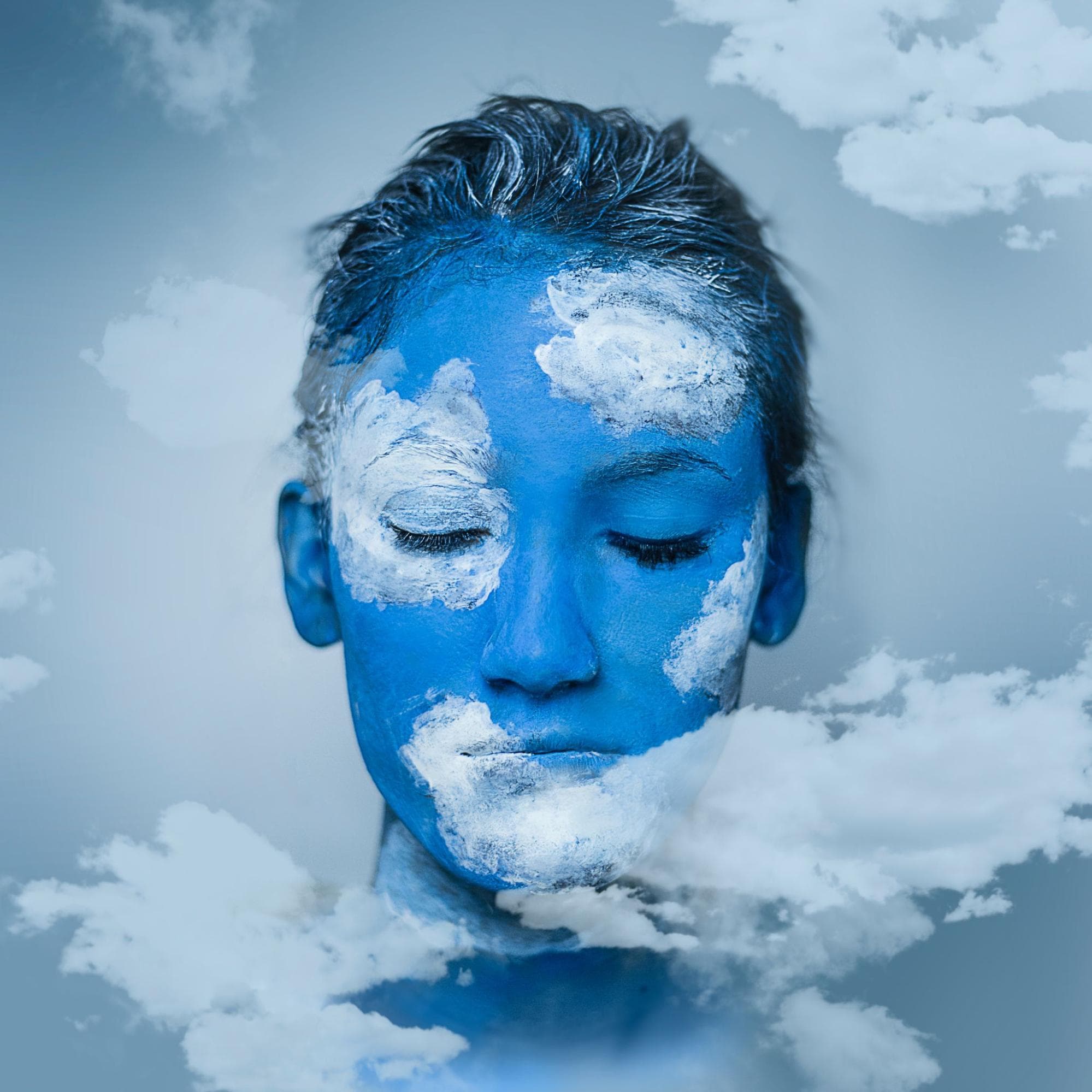
In celebration of Earth Day, we went in search of clarity about what “clean beauty” really means and why defining it is so important.
Clean beauty is all the rage in 2022. The idea is overwhelmingly positive — let’s protect people and the planet — but it’s still an amorphous category that doesn’t have any oversight or even a widely acknowledged definition. Some companies even use the mess of buzzwords to confuse consumers and squeeze past the radar of conscientious shoppers. In honor of Earth Day, let’s dive into the basics of clean beauty so we can all do a better job indulging our beauty habits while also protecting the environment.
What does “clean beauty” even mean?
In its most general sense, clean beauty is a term typically used to denote products that are proven to be good for you — that is to say, not harmful. Many beauty insiders see clean beauty as a marker of benefits for both people and the planet simultaneously, but the Food & Drug Administration (which is as close as we get to a regulatory body for clean beauty in the United States) has historically been more concerned with human effects than environmental ones.
Consider this: the FDA has banned a total of 11 chemicals while the European Union has banned 1,300 substances from use in cosmetics. That’s a huge gap in what is considered safe, healthy, or just unharmful. Unfortunately, until concepts like “clean beauty” are more intensely regulated, the best way to make sure you’re really buying clean products is to do your research. What claims is the company making, and how do they back them up? If a brand is really doing the work to make health-focused products that don’t harm the environment, they’ll be able to explain their process in clear and certain terms.
Why do we have so many words for the same “clean” idea?
Some of the terminology associated with clean beauty gets thrown around without much thought. But just because these words are used interchangeably doesn’t mean they are synonymous. Let’s dive into some working definitions of popular terms you’re likely to see in the wild:
Clean: Generally speaking, clean beauty products are good for people and good for the planet. They typically use non-toxic, plant-based ingredients and take into consideration the broader picture of both skin health and environmental protection.
Green: Products or brands that call themselves green should be invested in protecting the planet. Unfortunately, the operative word here is “should”, because there aren’t any regulations mandating when companies have done enough to use the green label.
Sustainable: Most companies that label themselves “sustainable” take a broader view of the environmental cost of production. In order to be sustainable, the ingredients in the beauty product, the brand’s sourcing and manufacturing protocols, and its container and the packaging around it all need to be renewable, reusable, and Earth-friendly.
Organic: Although this is another term that is often tossed around loosely, the U.S. Department of Agriculture actually oversees organic certifications that govern farming, manufacturing, and handling practices. Certification is often prohibitively expensive, so you might see descriptions about “organic farming principles” instead of a USDA-approved organic seal.
Non-toxic: To be sold in the U.S., beauty products have to be non-toxic. Technically, that just means they don’t include any ingredients that have been shown by the FDA to cause harm in the amounts in which they are present in the product. Some clean beauty companies extend that concept to exclude ingredients that are banned outside the US, like the European Union’s more extensive list, for example.
Vegan & cruelty-free: Products that are vegan don’t contain any animal byproducts, like beeswax, honey, or tallow. Cruelty-free products, on the other hand, haven’t been tested on animals. A beauty product can be one or the other or both, but they’re not necessarily the same.
If you only remember one thing this Earth Day, make it that a little extra research goes a long way. Taking the time to make sure you understand the claims a brand is making will help prevent you from being duped by packaging promises — for example, “all natural” ingredients aren’t necessarily better for you or for the environment! Study up on ingredient lists, read beauty brands’ mission statements, dive into sourcing protocols and recycling principles — just a little bit of extra effort goes a long way toward trading in snake oil for truly “clean” beauty experiences.
Boulevard was built to help your business achieve profitability at scale without losing an inch of sanity. See for yourself! Get a free demo today.


Shanalie Wijesinghe
Content Strategy Director
Shanalie Wijesinghe is the Content Strategy Director at Boulevard. She lends her industry and platform expertise to both in-house staff and partner salons and spas. A salon industry veteran with more than 15 years of experience working for high-end luxury salons such as Sally Hershberger and BENJAMIN, Shanalie was previously Director of Education for Boulevard and blends her knowledge of the beauty and technology industries to help put the company’s partners and employees on the path to success. A Bay Area native and first-generation immigrant, Shanalie is a graduate of the Paul Mitchell School specializing in cosmetology, styling, and nail instruction.
Related Posts

How to Increase Your Bookings With Book Now Buttons on Socials
Learn how you can add a "Book Now" button to your business's Facebook and Instagram pages — and how you can use it to attract new clients.
Read Article
12 Salon Marketing Ideas for Your Business
If you’re struggling to bring in new clients, these salon marketing ideas are creative, effective ways to promote your business and increase bookings.
Read Article
Cosmetology Continuing Education Classes - Your Guide to Sharpening the Shears
Find your state’s requirements for cosmetology continuing education classes and how to keep developing your professional skills.
Read Article
What Are the Most Effective Nail Salon Marketing Strategies?
Boulevard breaks down nail salon marketing strategies to help you raise local visibility, strengthen social media engagement, and turn leads into regulars.
Read Article
The Psychology of Pricing: Maximizing Client Value While Maintaining Profits
Learn why higher prices can enhance perceived value and be more effective at generating revenue than bargains.
Read Article
4 Cool Spa Treatments for Hot Weather
When it’s warming up outside, these are the four cooling spa treatments you should consider adding to your service menu.
Read Article
Booking Bailout: Why 70% of Gen Z & Millennials are Abandoning Appointments
Learn what causes Gen Z and Millennial clients to abandon their self-care appointments during the booking process — and how you can stop it from happening.
Read Article
MEDDPICC Framework in Medspa Consultations: A Buyer’s Guide
Boulevard introduces MEDDPICC, an enterprise sales qualification framework for B2B, and explains why medspa owners should understand how it works.
Read Article
Best EMR for Medical Spas: How to Choose the Right Platform
Boulevard breaks down the best EMR for medical spas in 2026, and explains why many owners need an operational platform, not just clinical charting.
Read ArticleSign up for weekly blog updates.