Blog • Inspiration
Vegan Beauty Products: Boost Retail Sales and Client Trust
Vegan Beauty Products: Boost Retail Sales and Client Trust

Vegan Beauty Products: What Salon and Spa Owners Need to Know
Vegan beauty products are made without animal-derived ingredients, and as personal care choices increasingly reflect wellness habits and lifestyle preferences, these products matter to an ever-growing percentage of your clients. You may notice more questions about sourcing, testing, and formulation in everyday conversations at your salon or spa —and you need to be prepared with the right answers and alternatives.
In this guide, we’ll look at the growing interest in vegan beauty products and explain how stocking them can support your business model. We’ll also cover how to evaluate vegan beauty brands and add them to your service menu.
Why Clients Choose Vegan Beauty Products
The vegan cosmetics market surpassed $20 billion in 2025, according to a global study by Fortune Business Insights. What’s more, this market is expected to grow to $37.3 billion by 2038. North America represents a significant share of that growth, giving salons and spas a clear signal about where client demand is headed.
Clients increasingly reach for vegan beauty items to avoid salon products that are tested on animals. Labels like cruelty-free and clean beauty are important shorthands, making it easier to quickly filter products when you’re comparing options and offering recommendations.
For some clients, these choices connect to broader purchasing and lifestyle habits. Interest in sustainable beauty practices—whether they involve packaging, ingredient sourcing, or manufacturing—influences which brands feel worth supporting. For salon and spa owners, these preferences show up directly in what certain clients ask for and whether they choose to return.
The Business Case for Stocking Vegan Beauty Products
Many clients purchase products in-store, via recommendations from their stylist. Stocking beauty products that align with their preferences and values reinforces trust and makes it more likely those clients will return and recommend your spa or salon.
Having vegan products on your shelves also helps your team convert product interest into sales opportunities. When you build a product menu based on what clients actively seek out, staff can give relevant, personalized recommendations that increase retail revenue and overall ticket size.
Plus, value-driven products offer potential for strong pricing advantage. Some clients are willing to pay more for items they consider ethical, which makes vegan products an opportunity to capture high-intent spending and differentiate your business.
What to Look for When Choosing Vegan Beauty Lines
To make sure the products you stock are genuinely vegan and align with your clients’ preferences, pay attention to these criteria.
Vegan-Friendly vs. Cruelty-Free Salon Products
Cruelty-free isn’t the same thing as vegan—vegan products contain no animal-derived ingredients, while cruelty-free products aren’t tested on animals. Some items may fit both categories, while other cruelty-free lines still include beeswax or keratin. So use intake forms to find out what your clients value most, then check ingredients and claims carefully.
Ingredient Transparency
Vegan brands avoid all animal-derived components, including beeswax, lanolin, keratin, collagen, and carmine. Stock products with transparent labeling that calls out these ingredients (or lack thereof), so it’s easy to discuss options with clients and confidently answer questions.
Supplier Credibility
Work with vegan cosmetics, face care, and hair care brands that back up their claims with certifications from recognized groups, like The Vegan Society or Leaping Bunny. These organizations uphold vegan-specific ethical standards, so their seal of approval can provide clients with peace of mind.
Skin Sensitivity Components
Vegan and natural beauty products tend to have fewer ingredients than traditional items, and they often replace animal-based ingredients with gentle, plant-based options. Look for products that soothe or hydrate hair and skin, including shea butter, aloe vera, and protein-rich wheat products. And focus on clean beauty products without harsh ingredients, such as sulfates or synthetic dyes that can irritate clients’ skin/hair even if the product is vegan.
Client Education Opportunities
As you consider options, do some research about the brands you might bring onboard. Look beyond vegan-friendly ingredients, since some clients will have questions about sustainable packaging or manufacturing standards. The more you know about a brand’s practices, the better you can guide clients and position your salon as a trusted source for ethical beauty.
How to Introduce Vegan Beauty Products Into Your Service Menu: 4 Steps
Here’s a simple plan to integrate vegan options into your treatments and promote them through client interactions.
1. Analyze Service Opportunities
Review your current services and beauty products, and pinpoint where vegan products can replace existing items. For instance, you might offer a vegan face care line with calming aloe for skin treatments, or include a soy-protein hair mask during a deep-conditioning session.
2. Update Your Menu
Highlight vegan-friendly services on your menu with labels like “vegan facial boost” and “plant-based hair repair,” so clients can clearly see and choose ethical options. Work these phrases into your website and booking software as well, and make vegan products visible by placing them strategically at the front desk or in treatment rooms.
Popular Vegan Beauty Brands
If you’re new to the vegan wellness market, start by looking at these top brands:
Byoma: The Phyto-Musin Glow Serum is a great plant-based alternative to the common snail mucin serums, since it uses Japanese plant-root extracts to support the skin barrier. This vegan cosmetics brand also has Creamy Jelly Cleansers and Foaming Rice Deep Cleansers you can incorporate into facials.
Oway: This vegan-friendly, cruelty-free haircare and styling brand is known for its nourishing products made with ethically sourced plant-based products. All of its shampoos and serums are packaged responsibly, using recyclable materials—a great selling point for eco-conscious clients who want to reduce waste.
ILIA: While not fully vegan, ILIA Beauty is a cruelty-free business with plenty of vegan skin care lines. Some of its cosmetics are fully plant-based, while a few options contain ethically sourced beeswax.
3. Train Your Team
Educate staff on the nuances of terminology and plant-based ingredients, as well as the benefits new products offer to support healthier skin and hair. Draft cheatsheets or practice a few role-playing exercises, so your entire team can confidently answer questions and upsell products during service.
4. Market the Products to Clients
Promote your vegan products on your website, in social media posts, through email newsletters, and with in-salon signage. There’s no need to rush through your entire menu, since too many changes at once could overwhelm clients. Highlight one clear focus at a time, like a new vegan hair care brand or skin care line, and explain why you’re adding it to the menu.
How Boulevard Helps You Put Clients First
Carrying vegan beauty products isn’t about jumping on a trend—it’s about responding to what a portion of your client base values. When you stock reputable, ethical brands and do the research so clients don’t have to, you position your salon or spa as a trusted wellness partner.
Of course, the busier you get the harder it can be to offer this kind of personalized service. But Boulevard’s all-in-one management platform makes it easy to track retail inventory and client preferences, so you can recommend the best vegan products to the right clients. With Boulevard, your team can personalize upsells and highlight new skin and hair care lines that fit clients’ needs.
Explore how Boulevard’s salon software and spa solutions can streamline your retail strategy and boost sales.
FAQ
Do Vegan Beauty Products Work as Well as Traditional Ones?
Many modern vegan formulations use plant-based proteins, oils, and botanical extracts to deliver the same quality of care as traditional beauty products.
How Do I Know if a Beauty Product Is Truly Vegan?
To find out if a product is vegan or just using marketing hype, look for certifications from trusted organizations like The Vegan Society. And check labeling for common non-vegan ingredients like beeswax, lanolin, and carmine.
Are Vegan Beauty Products Better for Sensitive Skin?
Vegan beauty items sometimes use gentle, clean ingredients that are less likely to irritate skin than traditional products. But this isn’t always the case, so you should still analyze individual products to look for allergens and strong active ingredients.
How Should Salons Price Vegan Beauty Products as Compared to Conventional Lines?
Price vegan beauty products based on the value they offer your clients. Many vegan items use high-quality plant-based ingredients and rely on ethical sourcing, which can justify premium pricing. Balance fair costs with transparency, so clients understand that the higher price tag is a mark of quality and they’re not just paying for a label.
Finding the right tech stack to support your growth goals can make or break your business. Don't worry, our Building Your Beauty Tech Stack Guide is here to help! Get your free copy now


Shanalie Wijesinghe
Content Strategy Director
Shanalie Wijesinghe is the Content Strategy Director at Boulevard. She lends her industry and platform expertise to both in-house staff and partner salons and spas. A salon industry veteran with more than 15 years of experience working for high-end luxury salons such as Sally Hershberger and BENJAMIN, Shanalie was previously Director of Education for Boulevard and blends her knowledge of the beauty and technology industries to help put the company’s partners and employees on the path to success. A Bay Area native and first-generation immigrant, Shanalie is a graduate of the Paul Mitchell School specializing in cosmetology, styling, and nail instruction.
Related Posts
.jpg&w=3840&q=75)
Teaching Your Clients the Science of Skin Care
Understanding the science behind moisturizers and exfoliates makes it easier to introduce clients to skin care regimens.
Read Article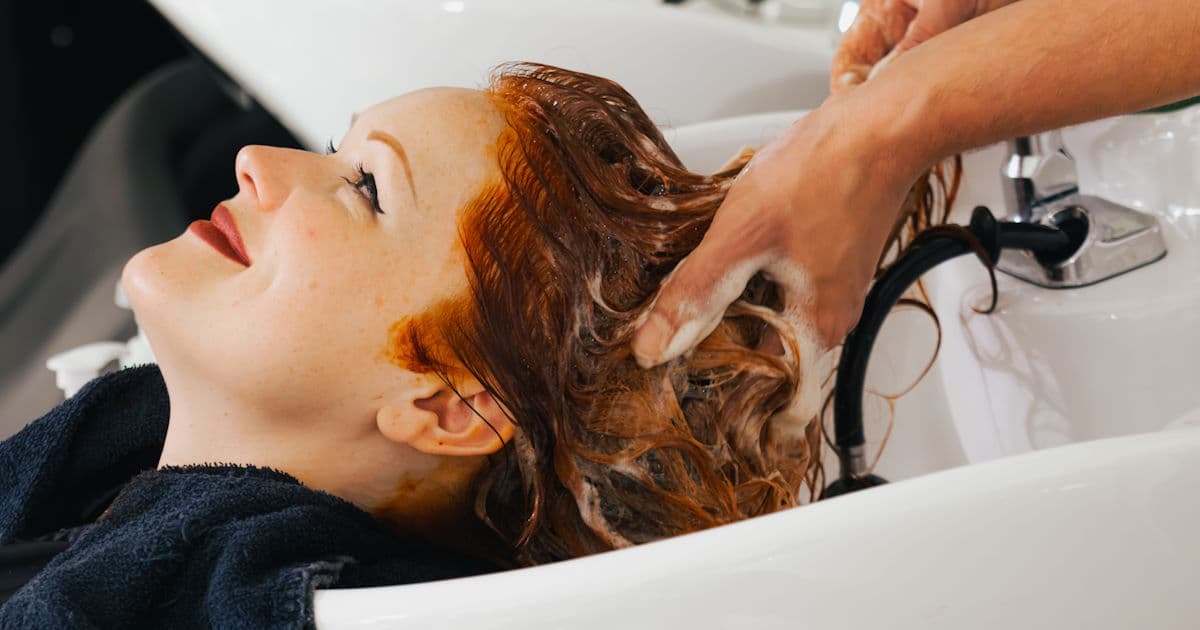
How to Increase Salon Retail Sales: 6 Strategies
Want to boost salon retail sales? Boulevard shares proven strategies to increase product revenue, from staff training to retail displays that convert.
Read Article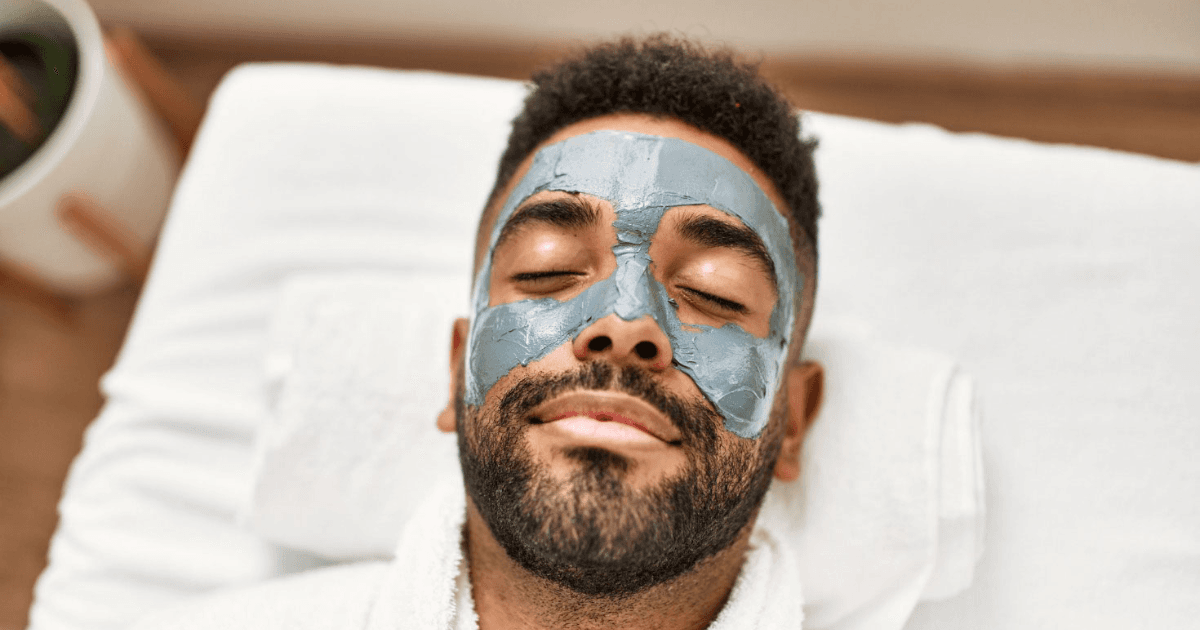
Why Investing in Medical Spa Inventory Management Software Improves Efficiency
Is your medical spa inventory out of control, or taking too much time to track? Read here for info on how inventory management software can help.
Read Article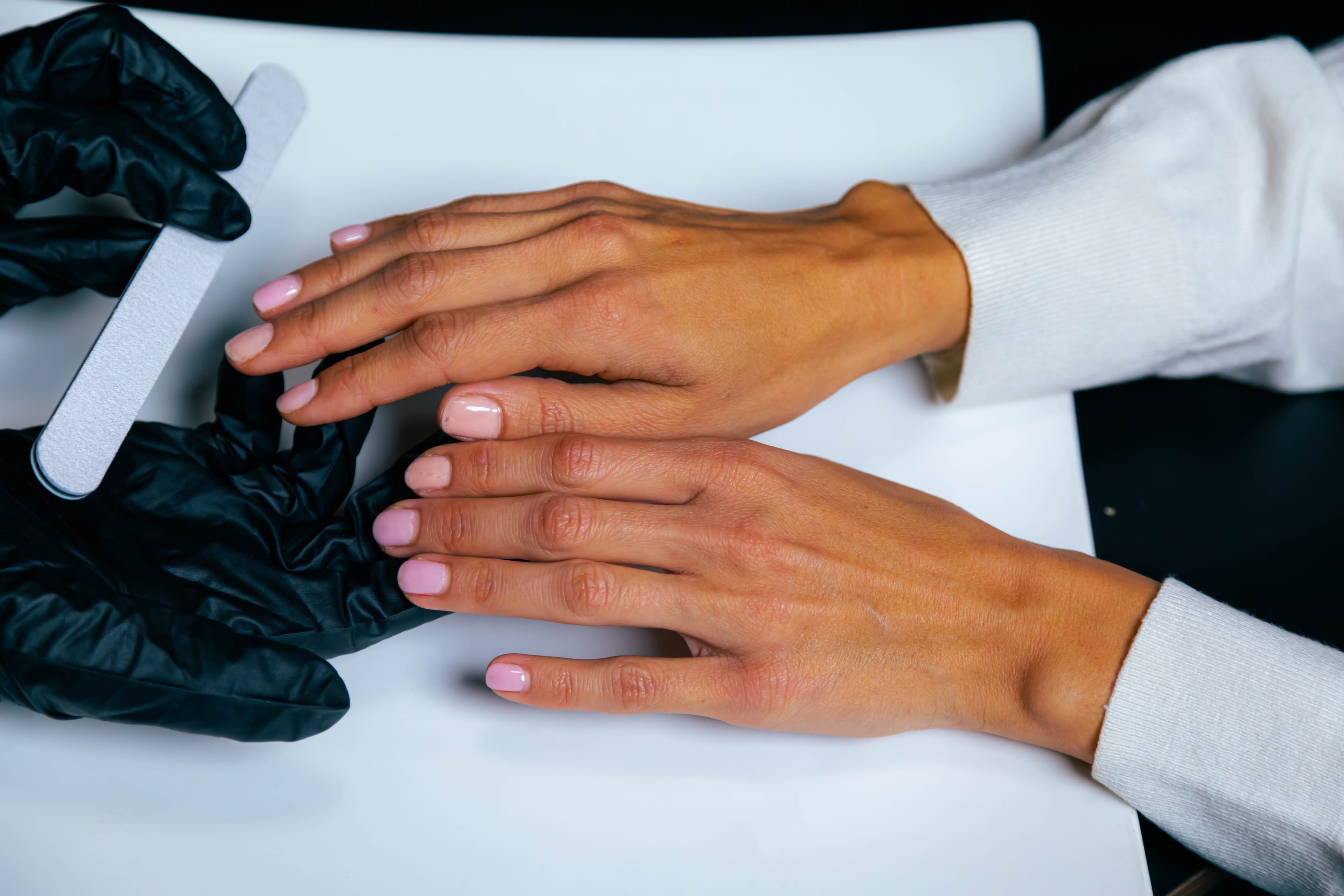
Overcoming the 3 Biggest Challenges Facing Nail Salons in 2026
Discover the biggest nail salon challenges in 2026 and how to improve profitability with smarter pricing, retail strategies, compliance, and modern salon systems.
Read Article
Crafting a Business Expansion Plan for Your Beauty Biz
With the right business expansion plan, your beauty brand won’t just grow — it will thrive.
Read Article
A Case for Gender Neutral Pricing in Salons
Beyond products that we use in our everyday care regimen, the global movement to gender-neutral salon pricing is still getting the ball rolling.
Read Article
De-Influencing Self-Care: How to Emphasize Education Over Influence
Discover why savvy self-care brands are replacing paid influencer partnerships with educational content on social media right now.
Read Article
7 Influential Women in Beauty You Should Follow
Beauty isn’t just an industry, it’s a community. So let’s celebrate a few of the women leaders who make it something special.
Read Article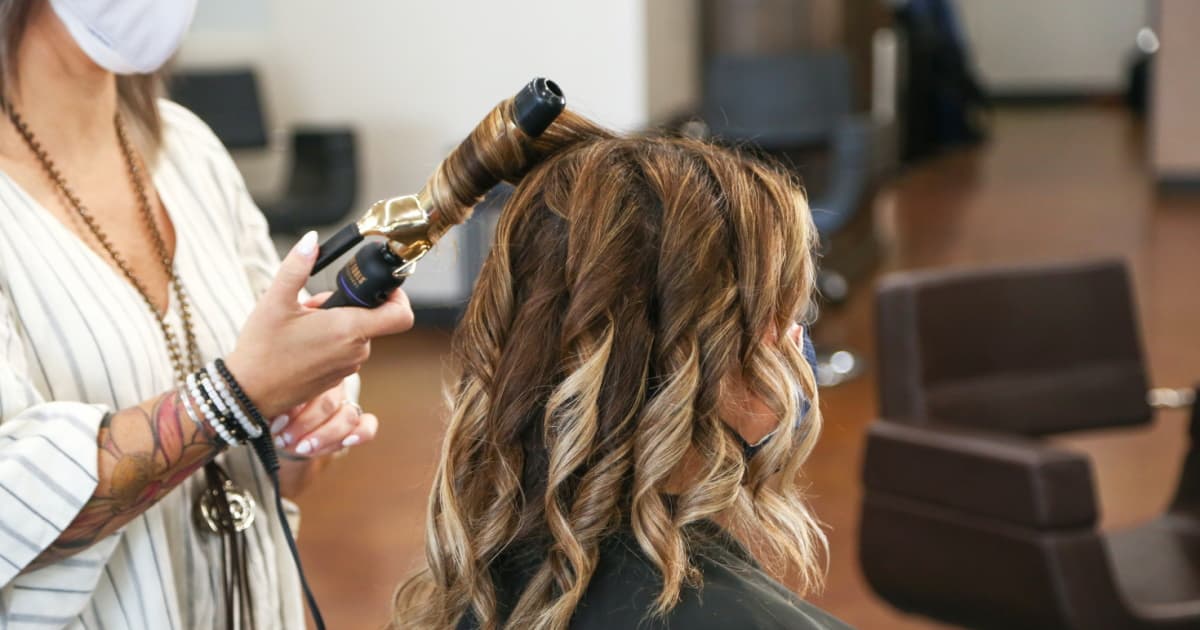
The Ugly Truth: How Predatory Beauty Schools Are Driving the Need for Reform
Predatory beauty schools might not be common, but the ones that do exist are bringing to light important issues. Read here to find out how.
Read ArticleSign up for weekly blog updates.