Salon • Community
How Texture Education Collective Is Making the Industry Inclusive
How Texture Education Collective Is Making the Industry Inclusive
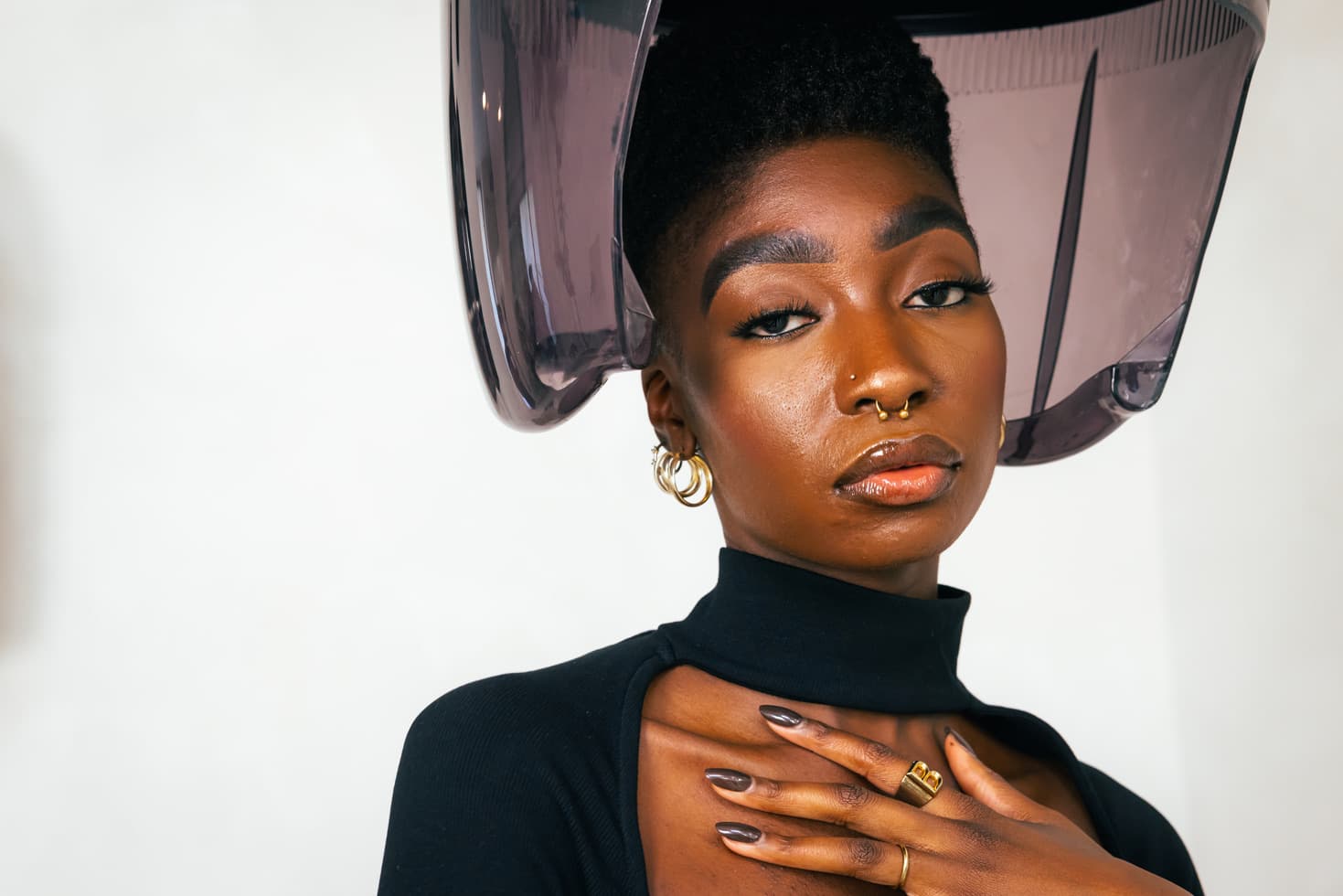
Training to treat textured hair with care
The beauty industry has long fallen short when it comes to clients with textured hair. Stylists at all levels struggle to work with textured hair, which is partially due to a lack of proper training. From a business perspective, this simply doesn’t make sense; a 2018 report shows that not only does 65% of the U.S. population have curly, coily, or wavy hair, they’re willing to spend more on the right hair care — if they can find it.
Of course, this issue goes deeper than pure economics. The general lack of knowledge about caring for and styling textured hair is just one side effect of centuries of discrimination against people of color. To address this disparity in the self-care industry, the Professional Beauty Association (PBA) took a major step forward in 2023 with the creation of the Texture Education Collective.
Working together to change the story
Originally established in 1872, the PBA bills itself as “the largest and most inclusive national trade organization representing the professional beauty industry.” For over a century, the stylists, makeup artists, manufacturers, salons, spas, and other members of the PBA have been elevating the industry by providing the resources, support, and connections beauty pros need to thrive.
In May 2023, the PBA announced the Texture Education Collective, “an alliance of professional hair industry leaders working together to influence cosmetology state board licensing requirements and curriculums to be inclusive of all hair textures and all hair types.” Among the collective’s founding members are hair care brands like Aveda and its parent company Neill, DevaCurl, and L’Oréal USA.
According to L’Oréal’s Erica Roberson, “For too long, the care of textured hair has been left out of the required training programs for hairstylists… As a founding member of the Texture Education Collective, we will be a strong voice advocating for an update to the educational requirements for cosmetology licenses and we will contribute our educational resources and expertise to support the inclusion of all hair textures in the curriculum.”
Alicia Williams, the Senior Director of Anti-Racism and Racial Equity at DevaCurl, echoed Roberson’s thoughts: “Through the lens of DEI, this is the type of industry-provoking change that you hope to see accomplished. DevaCurl being a founding member of the Texture Education Collective makes me proud both personally and professionally. Leading meaningful change in an industry that impacts everyone is the cornerstone of inclusivity.”
Software built for the salon experience
Busy salons need more than an appointment book — they need a system that keeps stylists booked, clients coming back, and retail moving. Boulevard’s salon software combines online booking, POS, and marketing tools built for the pace of salon life.
It starts with the education
According to its mission statement, the Texture Education Collective aims to equip stylists with the tools and training they need to serve clients with textured hair, which in turn ensures that those clients “feel welcomed, valued, understood, and seen.”
Because this training should begin long before a stylist has clients in their chair, the Texture Education Collective wants cosmetology curriculums and licensing requirements to be inclusive of all hair textures and types. Data shows that 75% of stylists want more training in how to style textured hair, but because it’s not a required part of their curriculum, they’re not carrying these skills into the workforce.
One of the collective’s first steps was to create a petition “to include textured hair in cosmetology testing standards,” which has garnered over 14,000 signatures in just a few months. It also connects cosmetologists in training, as well as their instructors, with training resources that make it easier to incorporate these elements into existing curricula.
How activism gets results
Less than a year after its founding, the Texture Education Collective is already contributing to change within the self-care industry. In December 2023, New York passed legislation requiring the state’s cosmetology board to include “training, education, and testing on all hair types and textures.” The collective worked with New York State Senator Jamaal Bailey and Assemblywoman Michaelle Solages to champion this law, which PBA Government Affairs Director Myra Reddy called “a huge step in advancing hair inclusivity in the state of New York.”
“As a result of this law, stylists will now receive comprehensive, inclusive hair education that will help to foster safe and positive experiences for all customers to feel welcomed, valued, understood, and seen when receiving hair services,” Reddy said, echoing the Texture Education Collective’s mission statement. “We look forward to bringing this important progress to other states soon.”
In an interview with Allure, Assemblywoman Solages pointed out that this new law “provides a legal framework to address longstanding issues of discrimination and bias related to textured hair.” This legislation, like the CROWN Act before it, is a significant step forward toward confronting the negative stigma surrounding textured hair, as well as the bias behind it.
With an early victory under its belt, the Texture Education Collective is just getting started. Its list of supporting partners has grown to include Paul Mitchell Schools, PSI National Barber and Cosmetology Program, Schwarzkopf Professional, and dozens of others. To learn more about the Texture Education Collective, sign its petition, and join the movement, visit the PBA website.


Shanalie Wijesinghe
Content Strategy Director
Shanalie Wijesinghe is the Content Strategy Director at Boulevard. She lends her industry and platform expertise to both in-house staff and partner salons and spas. A salon industry veteran with more than 15 years of experience working for high-end luxury salons such as Sally Hershberger and BENJAMIN, Shanalie was previously Director of Education for Boulevard and blends her knowledge of the beauty and technology industries to help put the company’s partners and employees on the path to success. A Bay Area native and first-generation immigrant, Shanalie is a graduate of the Paul Mitchell School specializing in cosmetology, styling, and nail instruction.
Related Posts

How a Great Experience Can Be the Key to Winning Over Gift Card Clients
Turn gift card clients at your self-care business into regular visitors by providing top-notch service and keeping the lines of communication open.
Read Article
How To Increase Salon Prices While Retaining Your Clients
Learn how to implement a salon price increase without losing clients. Try Boulevard’s automated messages, memberships, and loyalty tools for support.
Read Article
What Medspa EMR Software Is and What Medspas Actually Need
Explore the limits of traditional EMR software for medspas and learn how to choose a solution that actually supports your operations and client care needs.
Read Article
Optimizing Tip Management Across Multiple Salon Locations: A Guide for Owners
As a beauty business grows to multiple locations, managing gratuities can become more and more complicated. Here’s how to stay on top of tips.
Read Article
Is Your Tech Worth It? 6 KPIs You Need to Know
Learn about the six key performance indicators (KPIs) your tech should be tracking and how they impact your business.
Read Article
How to Make Your Salon Business Grow: The Complete Guide to Leveling Up
Want to know how to make your salon business grow? This guide features everything you need to know to achieve meaningful business growth.
Read Article
How the Best Medspas Offer Clients Luxury Experiences
From Canyon Ranch to Chiva-Som, the best medspas share eight traits. Explore what sets top medspas apart and learn how to follow in their footsteps.
Read Article
Stop Ghosting Clients With These Virtual Receptionist Solutions
These five virtual receptionist solutions will make sure your team never misses a call and never leaves a client hanging.
Read Article
Salon POS System: Top 5 Software Picks for 2026
Looking for the best POS system for salon growth in 2026? Compare top options, discover must-have features, and learn tips to help you choose wisely.
Read ArticleSign up for weekly blog updates.