Blog • Best Practice
How to Leverage Self-Care Events and Workshops to Build Client Loyalty
How to Leverage Self-Care Events and Workshops to Build Client Loyalty
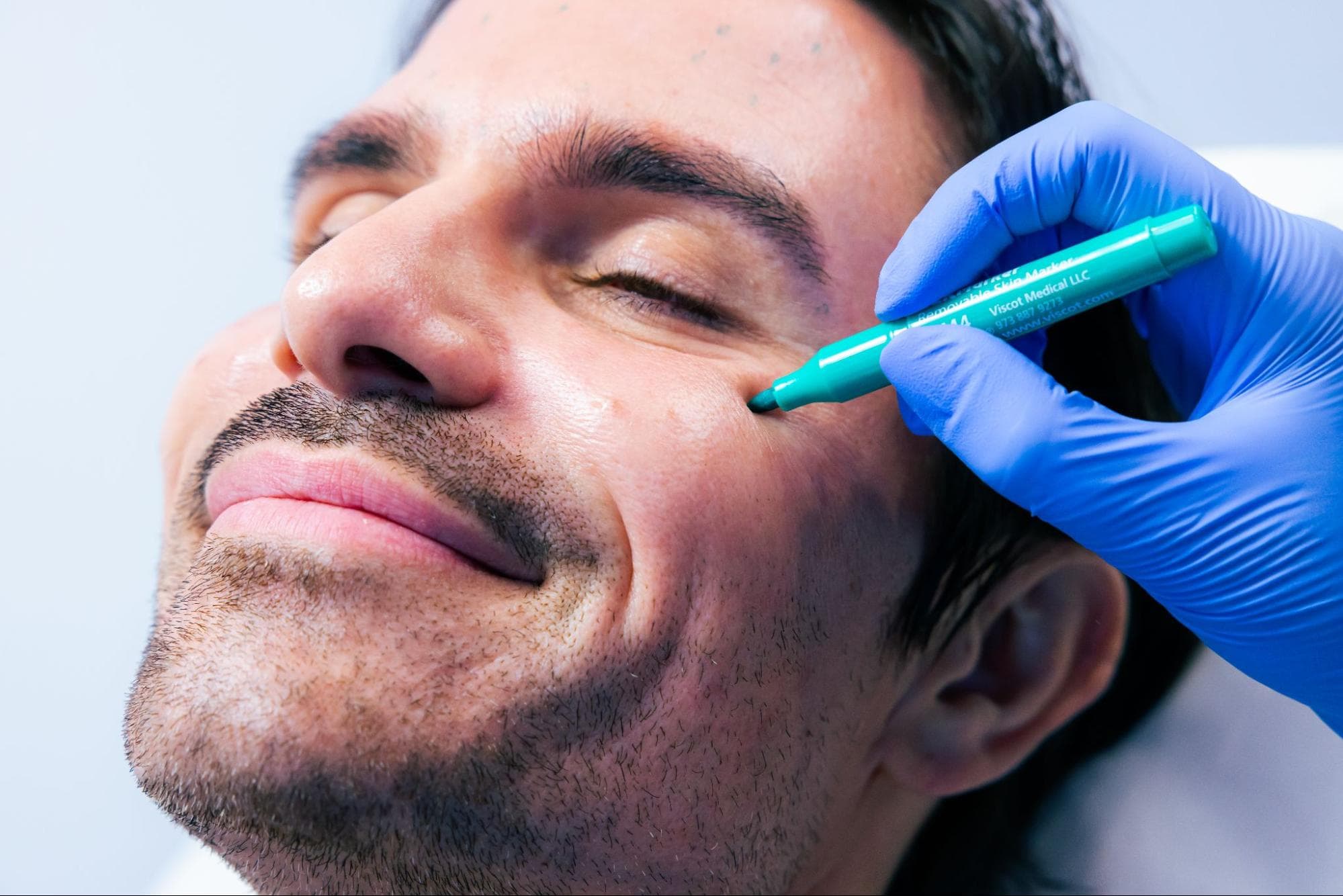
If you show clients the path to self-care, they will care about your brand in return
Self-care isn’t necessarily something you have to do alone. Group experiences can also improve our well-being, especially when they emphasize community and shared connections. In fact, one study from Eventbrite associates wellness with public event attendance, with up to 72% of respondents seeking meaningful and transformative group activities.
For beauty and wellness businesses, self-care events are a way to connect with clients beyond the traditional appointment structure. Group activities and demonstrations help us meet people, learn new skills, or take part in a fun outing — building a brand community in the process. Here are some planning tips to help you get the most from your events.
Plan for self-care
First things first: What exactly is your event or workshop about? In theory, it can showcase anything that relates to client interests and your brand goals. However, try to be more specific than “self-care” — that’s fairly broad for this industry! Instead, offer something to clients that can’t be done with a regular appointment. For example, you could:
Showcase a new product, trendy treatment, or state-of-the-art equipment.
Host a guest speaker who can share wellness trends.
Educate clients with classes or demonstrations that they can recreate at home.
Bring the local community together by hosting at a neighborhood hotspot such as an art gallery or coffee shop.
Locking down the big picture concept makes it far easier to set goals, identify problems, and find solutions. Defining your event also ensures your entire team is on the same page. On the big day, that helps everyone focus on producing a memorable experience that clients will remember once they’ve gone home.
Now that you’ve written down what the event is about — you are writing these down, right? — create a planning document that lists the resources and processes you’ll need to make it a reality.
Where will the event take place? Hosting a self-care workshop at your business is only a good idea if you are equipped to host it. If you need more space, it might be a good idea to go with another venue. Don’t forget about digital options — livestream tutorials are a great way to reach large audiences but they have technical requirements of their own you’ll need to meet.
How many people will attend? Audience size is a major factor in determining what you can accomplish during an event. For example, a self-care presentation will need enough space and seating for attendees. One-on-one product demonstrations will have fewer space demands but might require additional staff to work with each client individually.
What kind of resources will you need? If guests arrive at your event and you don’t have the necessary equipment, you’ll still make an impression on them — just not a good one. Make a list of any supplies you’ll need for the entire event and estimate volume based on audience size.
Do you have any backup plans? Backup plans are a must for any event. If something goes wrong — such as bad weather at an outdoor event — you’ll need something to fall back on to ensure clients are still having a good experience.
You may have noticed these different elements can influence each other. For example, if you expect a large audience, that informs the kind of location and resources you need to make the event successful. Think of how everything fits together so you can run the event smoothly while putting your brand in the best light.
Put the experience first
Why do people visit hair and nail salons when they could just do it themselves at home? Because a professional, high-quality treatment is a great experience that can’t be replicated in your living room. Self-care events and workshops are the same — a memorable experience is the best way to build connections that matter long after the event ends.
Have an event theme: Choose a theme that ties everything clients will experience back to the event topic. Mental health, community, or self-love are all great choices that put everyone attending in the right frame of mind.
Think aesthetics: Self-care events aren’t just a community experience, they’re sensory experiences as well. The right sights, sounds, and scents will influence how clients perceive an event and store it in their memory.
Keep the event running smoothly: Experiences are also about ensuring everything works as intended, from registrations to microphones. When clients see you account for the small details, they’re more likely to walk away with a positive impression of your brand.
Find partners who care about self-care
Planning events is a lot of work on top of managing a business. Thankfully, there’s no reason you have to do it all alone. A partner could share the load or handle logistical issues, making it easier to focus on the workshop components you know best.
Product manufacturers: Self-care companies want to promote their products just as much as you want to promote your services. Try reaching out to them about your event — they might even be open to donating products or selling them at a bulk discount.
Local companies and associations: Local business owners are often willing to support each other in various ways, from sponsoring events to offering event venues.
Fellow self-care businesses: Working with other self-care companies — even competitors — can have mutual benefits for all. For example, if a hair and nail salon worked together, they could extend their marketing reach across two client pools, potentially boosting each other’s appointment volume in the process.
Get personal with marketing
There are many ways to determine whether an event was successful, but the most important is that people showed up. Whether you want to appeal to regular visitors or potential new clients, the right marketing campaign will get everyone excited about your event in advance.
Unlike an actual in-person event, marketing campaigns are fairly easy to automate. For example, Boulevard streamlines your marketing with targeted campaigns, complete with analytics to better understand who’s engaging with ads. The specifics will vary based on event and clientele, but you’ll reach your audience by keeping the following in mind:
Get personal: The most effective promotions for your self-care event will be targeted and personalized. Review your client list for regulars who enjoy services or products associated with your topic and build campaigns that resonate with them.
Be consistent: Informing clients about your event is a good start — keeping it top of mind is better. Email-based drip campaigns can help by providing additional details about the event weeks before it begins. Text messages can also be excellent “save the date” reminders as you approach the big day.
Spread the word: Take advantage of multiple channels to make sure everyone who wants to attend your event knows about it. Do you have an email newsletter? That’s a great opportunity to spread the word among current and lost clients alike. You can also create an event page on social media that clients can use to RSVP and share on their own pages.
Whether you’re designing ads or welcoming visitors to your self-care workshop, the key is to pay attention to details in advance. Addressing each point from planning to execution helps you create a better experience for attendees, which in turn shows that you care about their self-care. In the long run, that’s the best way you cultivate client loyalty.


Shanalie Wijesinghe
Content Strategy Director
Shanalie Wijesinghe is the Content Strategy Director at Boulevard. She lends her industry and platform expertise to both in-house staff and partner salons and spas. A salon industry veteran with more than 15 years of experience working for high-end luxury salons such as Sally Hershberger and BENJAMIN, Shanalie was previously Director of Education for Boulevard and blends her knowledge of the beauty and technology industries to help put the company’s partners and employees on the path to success. A Bay Area native and first-generation immigrant, Shanalie is a graduate of the Paul Mitchell School specializing in cosmetology, styling, and nail instruction.
Related Posts
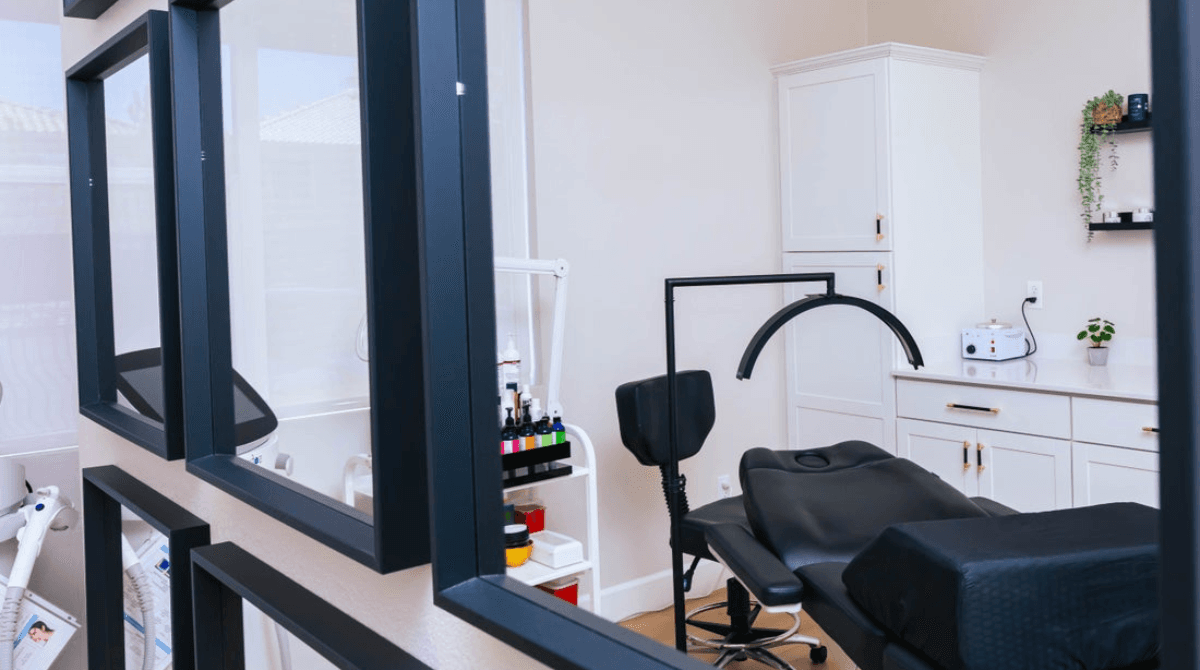
Creating a Medspa Software Tech Stack That Puts Clients First
Get everything you need to know about how the right medspa software can secure client medical data, streamline operations, and help your business grow.
Read Article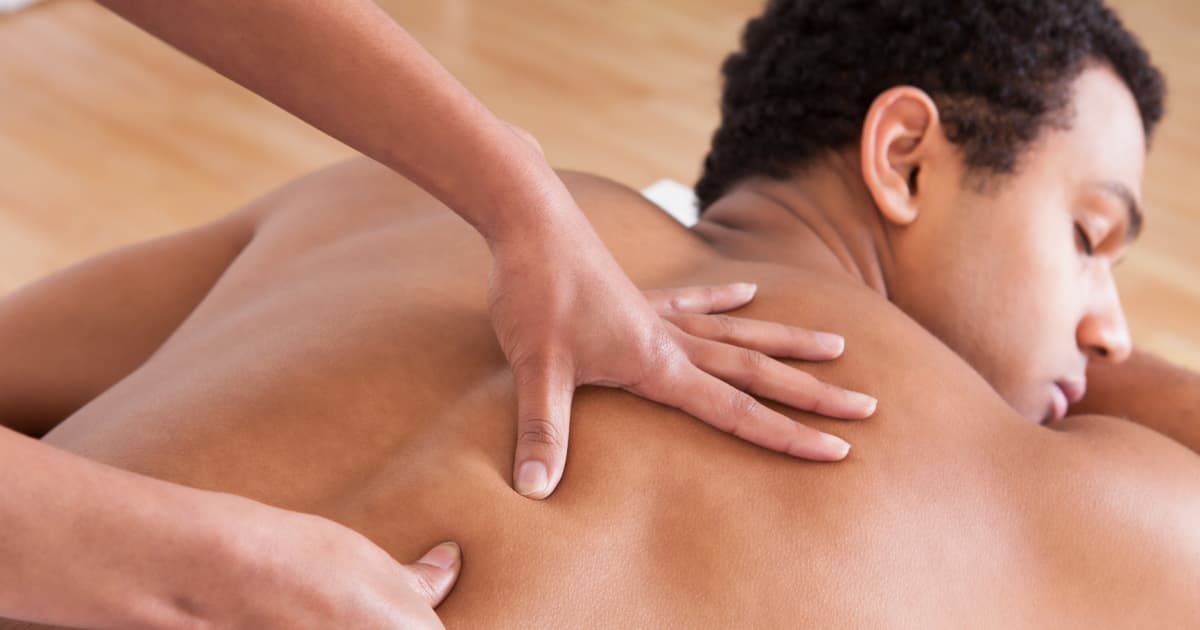
Master Retention: How to Get Massage Clients to Rebook
Building a steady clientele is one of the best ways to boost your business. Here are seven suggestions for how to get massage clients to rebook.
Read Article
The Modern Client Journey: Why 55% of Gen Z Checks Your Socials Before Booking
Learn why Gen Z clients care so much about your social media presence, which platforms they rely on, and what really matters to them in the self-care sphere.
Read Article
Best Nail Salon Software for 2026: 7 Top Platforms Compared
Boulevard breaks down the best nail salon software options for 2026, what features matter most, and which platforms are best for growing nail salons.
Read Article
How Virtual Consultations are Transforming the Beauty and Wellness Industry
Virtual consultations are helping self-care businesses reach new audiences and build their brands. Here’s how to bring them to your business.
Read Article
How to Choose the Best Medspa Software: Top Features for Owners
Find out how the best medspa software helps you run a successful business, and learn about vital features like HIPAA-aware profiles and self-booking.
Read Article
5 Tips for Improving Spa Membership Programs
Create a rewarding spa membership program by finding out what your clients want, then offering them exclusive perks that only your business can provide.
Read Article
Medspa Pricing 101: Balancing Profitability and Client Satisfaction
There’s a lot more to medspa pricing than costs and profit margins. Here’s how to strike the right balance.
Read Article
Best POS System for Barbershops: 5 Top Picks for 2026
Boulevard breaks down the best POS systems for barbershops, covering checkout, tip, hardware, and payment practices for walk-in and multi-chair shops.
Read ArticleSign up for weekly blog updates.