Salon • Best Practice
Job Roles in a Beauty Salon: A Guide for Salon Owners
Job Roles in a Beauty Salon: A Guide for Salon Owners
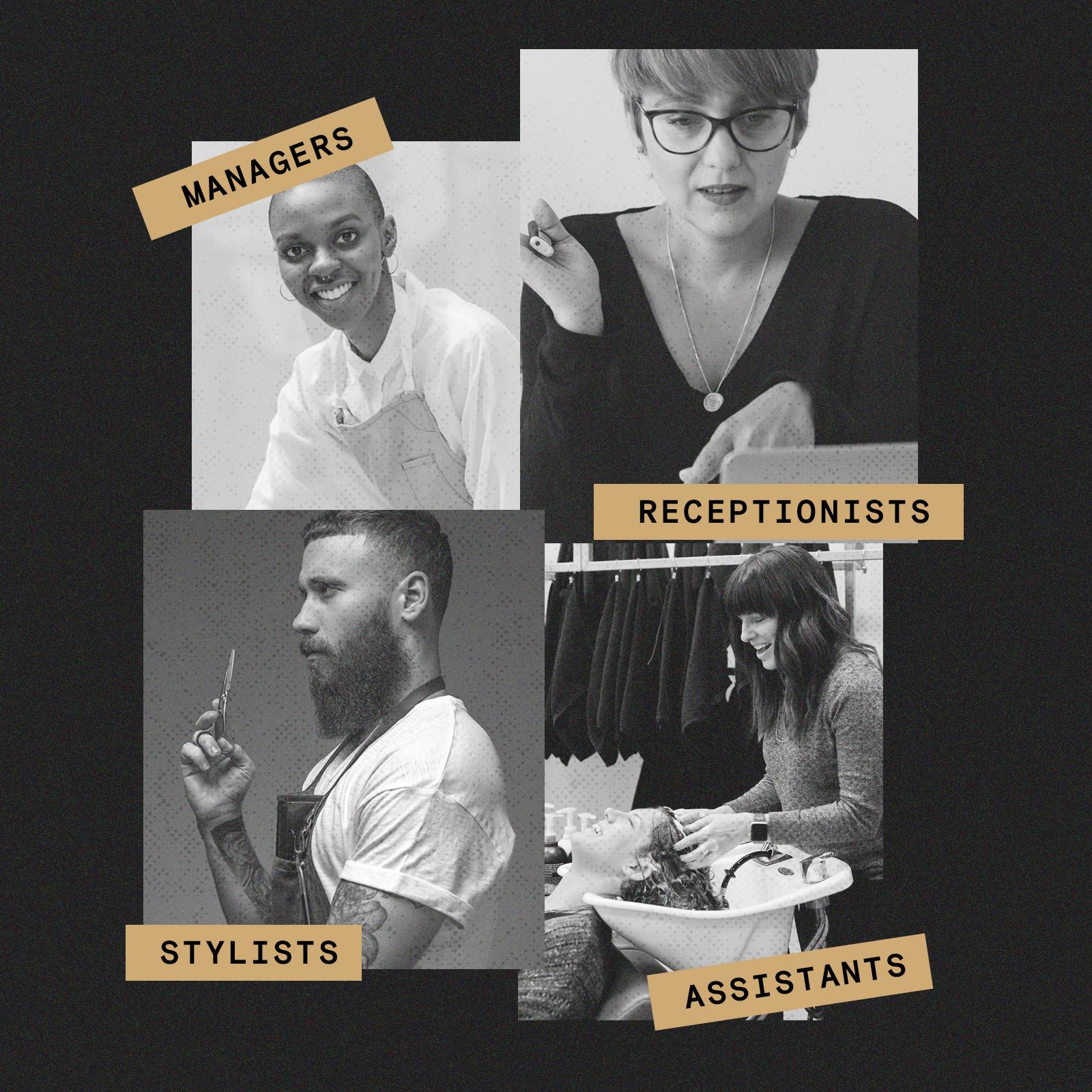
What Are the Job Roles in a Beauty Salon?: A Hiring Guide
Specialized technicians (like hair stylists and makeup artists) and operational staff (like salon managers and your front desk team) are the backbone of every successful beauty salon, and you’ll need their help to deliver great services. Whether you’re gearing up to open your first location or expanding your team to broaden your scope, understanding the range of roles in a beauty salon is necessary to identify the best growth path.
In this guide, we’ll break down the core job roles in a beauty salon, so you can learn what each role does and how to build and manage your salon dream team. We’ll also highlight how Boulevard’s Salon Software can help you manage your team from one convenient platform.
Service Provider Roles: The Core of Your Salon Team
Hiring technicians and providers with a range of specialties is the best way to meet the needs of the modern beauty market, raising revenue and client satisfaction. Having multiple staff members who can do the same kind of work can help balance the workload, giving a major boost to staff retention. And businesses that specialize in one area, like hair salons, that are looking to grow can attract a broader client base with diversified offerings (like stylists and colorists).
Here are some of the most common beauty salon job titles you’ll find.
Hair Stylist
Hair stylists cut, style, and color clients’ hair. Like any kind of employee in a customer-facing role, they’ll need excellent customer service skills as well as the necessary technical skills to perform these services. Hair stylists often consult clients to assess their preferences before getting started, chat while the client’s in the chair to keep them engaged (if they’re interested), and maintain ongoing professional relationships with them for strong client retention.
To work in a salon, hair stylists need to hold an active hair stylist or cosmetology license. Requirements vary by state and specialty. For example, in states like California and Hawaii, hair stylists can start working with a simpler Hairstylist or Hair Technician licenses, but need a full cosmetology license to apply chemical treatments like perms or relaxers.
Colorist
Colorists specialize in coloring hair. They typically have advanced training in color theory, chemistry, and hair health preservation. This extra training (and the lengthy, complex nature of hair coloring) means colorists tend to take longer appointment blocks at premium rates.
These specialists are experts in all-over color in natural and vivid shades, as well as more intricate techniques like highlights, balayage, and corrective color. Clients with severe hair damage or those looking to achieve colors like rainbow, platinum blonde, or something lighter after using black box dye typically seek out a colorist.
While many also act as general hair stylists, colorists are often a distinct role in larger salon teams. They often obtain additional certifications in color application.
Nail Technician
Nail technicians are experts in caring for fingernails and toenails. While nail health is an important part of a technician’s duties, they typically focus more on nail artistry through manicures, pedicures, and nail enhancements (like acrylic and gel sets).
Nail techs don’t have to hold cosmetology licenses, though they certainly can. Specific nail technician licensing requirements vary by state, but typically require between 100 and 600 training hours and passing a licensure exam.
Adding nail technicians to your list of beauty salon positions is a great way to break into the full-service salon market and boost booking opportunities.
Esthetician
Estheticians are all about skin. From facials and skin care consultations to exfoliating treatments and hair removal, they provide a range of skin care treatments to help clients glow. At beauty salons, estheticians typically focus on simpler procedures like facials and waxing rather than laser hair removal.
Estheticians are not dermatologists, so they don’t provide any clinical treatments or medical advice. They’re specifically focused on aesthetic skin concerns. However, estheticians working in a salon still need to obtain an esthetician’s license to perform services, usually through completing training hours (averaging 600 hours, depending on the state) and passing a state licensing exam.
Makeup Artist
Makeup artists apply makeup for clients, often for special occasions like weddings, proms, and photoshoots. Most makeup artists work freelance or part-time roles, and don’t always have dedicated chairs in a beauty salon.
While licensing typically isn’t required to become a makeup artist, you still need to be diligent when it comes to hiring or contracting a makeup artist for your salon. A good makeup artist has a solid understanding of facial structures and color theory to properly choose and blend makeup for all skin tones, and keeps up with the latest trends to offer stylish results.
As with all service-based salon careers, makeup artists share tools between clients, so they also need to practice exceptional sanitation and hygiene standards to avoid contamination and keep clients safe.
Operations and Management Roles: Who Keeps the Salon Running
Behind any great team of service providers are the people who manage logistics, customer service, and administrative tasks that keep a salon operating smoothly. Here are some of the most common management roles you’ll find behind-the-scenes in a beauty salon.
Receptionist
A salon receptionist, or front desk staff, is a representative of your beauty salon. They answer phones, schedule appointments, and handle check-ins and check-outs on a daily basis. Front-desk representatives are typically the first and last point of contact for clients, so they directly impact client retention and rebooking rates. With proper training, they can also be a great addition to your salon’s sales team. They can upsell memberships, prompt rebooking, and encourage higher retail sales at checkout.
Salon Assistant
Salon assistants support service providers like stylists and technicians by performing tasks such as mixing color, shampooing clients, and cleaning and prepping workstations between appointments. This is a common entry-level position for aspiring stylists and recent cosmetology school graduates, since the role offers practical salon experience without needing a license.
Salon Manager
The salon manager oversees the beauty salon’s day-to-day operations, like scheduling, staff performance management, and dispute resolution. They’re often the intermediary between owners and staff (especially in multi-location salons), so strong administrative and interpersonal skills are a must.
Office Manager
Larger salons sometimes hire an office manager to support back-office operations like salon managers support the salon floor. Office managers handle a wide range of administrative tasks, such as tracking and ordering inventory and running payroll, so organizational skills and strong math abilities are important for this role.
How To Hire and Structure Your Salon Team
Before you can create and post an effective salon job description, you’ll need a sense of your beauty salon’s scope and what you actually need to attract the right talent.
Early in the process, identify the beauty and hair salon job roles that are missing in your team. Many salon owners make the mistake of planning a full team without first evaluating their needs and capacity. If you’re a specialized hair salon, for instance, how many stylists will you need to serve your community without overloading or leaving too many appointment slots open?
If you’re adding to an existing team, start by assessing your services and volume to identify gaps in your team’s skill set. Hair stylists who are constantly overbooked with multiple color appointments could likely use more support from another dedicated colorist. This also helps you optimize your calendar and bring in premium-service revenue.
Too much overlap between your team members’ strengths means you may face underutilization and scheduling issues. By hiring strategically to cover your bases and diversify your offerings, you can prevent overstaffing and balance workloads with ease.
This is where your choice of salon software really matters. With Boulevard’s scheduling and staff management tools, you can not only build a great team, but also manage appointments and staff to make data-driven hiring decisions and keep your business running at full efficiency.
How Boulevard Helps You Manage Every Role in Your Salon
Boulevard brings all your critical salon management tools together into one unified platform, tying core capabilities to each and every role. From managing provider schedules with smart automation to gaining full visibility into performance and capacity with real-time reporting, Boulevard helps salon owners manage their teams though a coordinated platform.
See how Boulevard’s Salon Software is changing the game for beauty businesses.
FAQ
What Are the Main Job Roles in a Beauty Salon?
Every salon is different, so you should build your team around your specific goals, service offerings, and clientele. However, full-service beauty salons frequently employ the following roles:
Providers:
Hair stylist
Colorist
Nail technician
Esthetician
Makeup artist
Administrative:
Salon manager
Receptionist
Assistant
Office manager (for larger businesses)
Do All Salon Employees Need a Cosmetology License?
No, not all employees need a cosmetology license—but many require some type of certification. Most provider roles, including hair stylists, nail technicians, and estheticians, need to obtain a professional license, but requirements vary by state. Administrative roles and assistants usually don’t require any industry-specific license to work in a salon.
What’s the Difference Between a Salon Manager and a Receptionist?
A salon manager oversees providers, while a receptionist supports the client experience. Specifically, a salon manager is responsible for overseeing staff performance and daily salon operations, while a receptionist handles daily client-facing tasks like answering phones, checking clients in and out, and scheduling appointments.
How Does Boulevard Help Salon Owners Manage Their Team?
Boulevard helps salon owners by centralizing staff management tools into a single platform. Owners can manage schedules, track staff performance, and even update client profiles without having to switch between fragmented tools.
Looking for more ways to become a better boss and leader? Our Manager’s Handbook to Salon Operations has everything you need to level up. Get your free copy now


Cynthia Popper
Pronouns she/her/hers
Cynthia is Director of Content Strategy at Boulevard and has held content and creative roles in the beauty industry for over a decade.
Reach out at cpopper@blvd.co
Related Posts
Your Salon Recruiting Plan - 4 Steps to Staffing Your Beauty Business
Once you’ve got a dream salon space, it’s time to make a salon recruiting plan to hire the stylist team of your dreams
Read Article
How to Be a Good Salon Manager: 6 Tips to Master the Trade
Want to know how to be a good salon manager? It isn’t about being a better stylist, but a better leader for your team.
Read Article
Building the Dream Team for Your Self-Care Business: A Step-by-Step Guide
You can’t run a successful self-care business on your own. Here’s how to attract and hire the kind of skilled professionals you want on your dream team.
Read Article
Salon Staff Recruitment: Building a Dream Team From Desk to Chair
These best practices for salon staff recruitment will help you build a dream team that works together well and lasts for the long haul.
Read Article
How to Find Stylists for Your Salon: 7 Tips to Find & Keep Creative Geniuses
It’s not enough to know how to find stylists for your salon — you also need to give them reasons to stick around. Use these 7 tips for success!
Read Article
Hair Stylist Job Description: Template, Duties, and Skills
Boulevard's hair stylist job description guide and template covers everything salon owners need to include in a post to attract top talent.
Read Article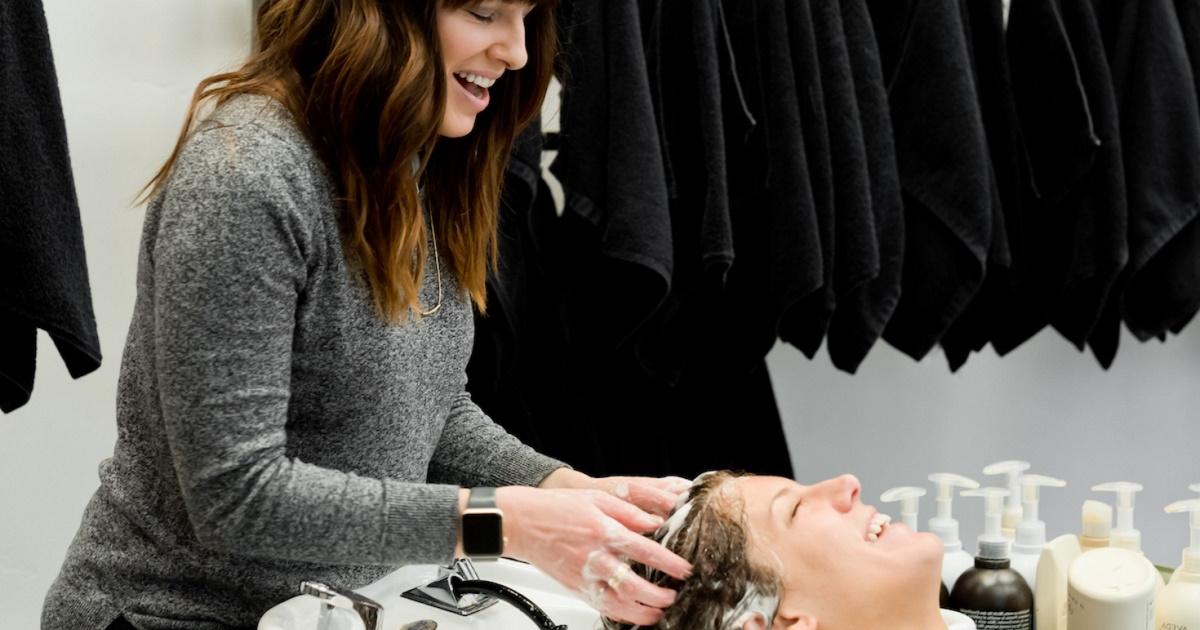
Want to Be a Hair Stylist Assistant? Get the Low-Down Here
Here’s everything you need to know about getting a job as a hair stylist assistant and building a career for yourself in the beauty world.
Read Article
Salon Manager Survival Guide - Resources to Carry For Your Whole Career
What skills and qualifications does a salon manager need? We compiled answers to all the questions you’ve been asking, and a few that you haven’t!
Read Article
Stop Ghosting Clients With These Virtual Receptionist Solutions
These five virtual receptionist solutions will make sure your team never misses a call and never leaves a client hanging.
Read ArticleSign up for weekly blog updates.